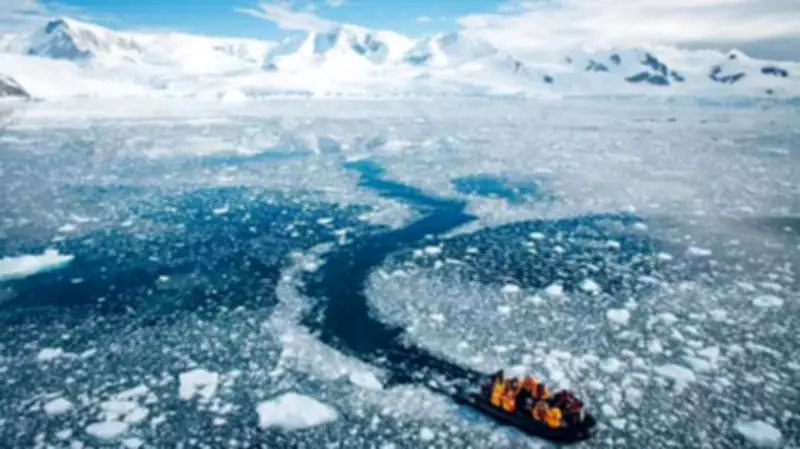
Antarctica's Mineral Riches Exposed as Climate Warms
As global temperatures continue to rise, the icy continent of Antarctica is revealing its hidden treasures. A recent study has brought to light the vast mineral wealth lying beneath its melting ice sheets, sparking discussions about future resource extraction.
Treaty Restrictions and Future Possibilities
Currently, an international treaty strictly prohibits any mining activities in Antarctica, preserving the region as a natural reserve dedicated to peace and science. However, this agreement includes a provision that allows nations to propose amendments starting in the year 2048. This looming deadline adds urgency to the ongoing research and policy debates.
According to Lucas, a key researcher involved in the study, the findings could play a crucial role in guiding decisions about potential mining locations if the treaty is revised. The study maps out areas rich in minerals such as iron ore, coal, and possibly rare earth elements, which are becoming increasingly accessible due to accelerated ice melt caused by climate change.

Environmental and Ethical Considerations
The exposure of these mineral resources raises significant environmental and ethical questions. On one hand, the minerals could be valuable for global industries, especially as demand for resources like rare earths grows with technological advancements. On the other hand, mining in Antarctica could have devastating impacts on its pristine ecosystems, which are already under stress from climate change.
Scientists warn that any future mining activities must be carefully regulated to prevent irreversible damage to the continent's unique wildlife and fragile environment. The study emphasizes the need for balanced approaches that consider both economic interests and conservation efforts.
Global Implications and Next Steps
As the 2048 review date approaches, international stakeholders, including governments, environmental groups, and scientific communities, are likely to engage in intense negotiations. The study serves as a critical tool for informing these discussions, providing data on mineral distribution and accessibility.
In conclusion, while Antarctica's mineral riches offer potential economic benefits, they also present complex challenges. The world must navigate these issues thoughtfully, ensuring that any future actions align with global sustainability goals and the protection of one of Earth's last wilderness areas.