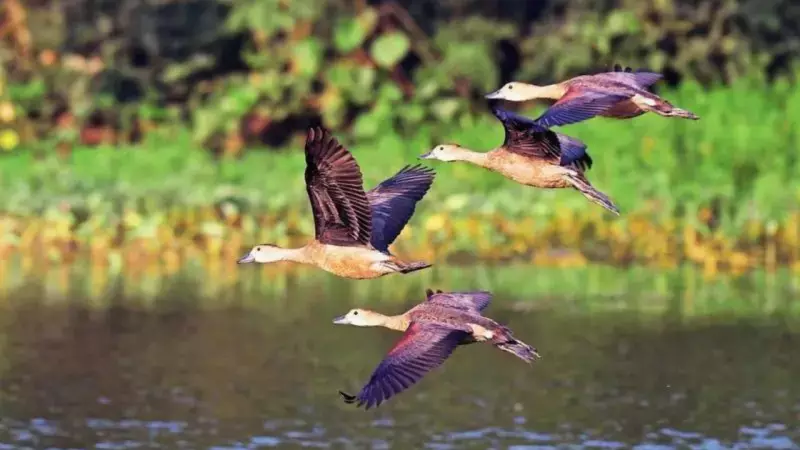
The annual Asian Waterbird Census has revealed a vibrant yet vulnerable avian population along the Yamuna river in Delhi. During the survey this weekend, birdwatchers documented over 9,000 birds belonging to 131 different species along the critical floodplains. However, the census simultaneously raised alarms about mounting ecological threats jeopardizing this habitat.
Survey Details and Key Findings
Conducted by a dedicated group of nearly 20 birders in partnership with the online avian database eBird, the census focused on a 22-kilometer stretch from Wazirabad Barrage to Okhla Barrage. Four separate teams participated in the extensive count. The most numerous species recorded was the black-headed gull, with a substantial count of 2,500 individuals. This was followed by 1,700 barn swallows. Other notable species observed included the pied avocet (136), ruddy shelduck (112), white wagtail (108), and house sparrow (90).
Multiple Threats to a Fragile Ecosystem
Beyond counting birds, the surveyors documented severe pressures on the Yamuna's ecosystem. They flagged illegal sand mining on the floodplains as a major disruptive activity. Other critical threats include predation by stray dogs and the rampant dumping of construction debris and plastic waste along the riverbanks.

Experts pointed out that habitat degradation is accelerating due to the removal of vital aquatic reeds, unauthorized cultivation on the riverbed, and the open burning of waste. The declining water quality, primarily caused by untreated sewage and runoff containing agricultural chemicals, further compounds the crisis.
Experts Sound the Alarm
Pankaj Gupta, the Delhi-NCR project coordinator for the Asian Waterbird Census with eBird, issued a stark warning. He stated, "If the condition of Yamuna floodplains is not improved, there is likely to be a decline in the number of waterbirds in future."
Echoing these concerns, Akash Gulalia, Director of Amaltas Nature Walks, highlighted the dual threat of expanding agriculture on the riverbed and the rampant use of chemical fertilizers. "Cutting and clearing of aquatic and riparian vegetation has left little space for these birds to breed. Illegal mining is another major issue," Gulalia emphasized.
Broader Census Efforts and Future Surveys
The census is part of a larger international effort coordinated by Wetlands International, a global organization dedicated to sustaining and restoring wetlands. The survey is carried out across several countries every January. In the Delhi-NCR region, the birding teams plan to extend their surveys later this month to smaller wetlands in north Delhi, including Rohini. Other key wetlands like Sultanpur, Chandu, Jhanjrola, Bhindawas, Dhigal, Mandothi, Okhla Bird Sanctuary, Surajpur, Dhanuari, and Dadri will also be covered, providing a comprehensive picture of the region's waterbird health.