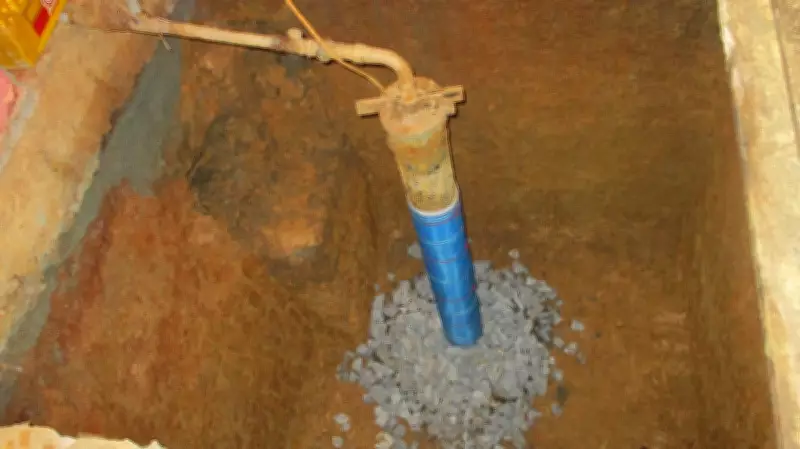
Karnataka Groundwater Report Highlights Critical Contamination and Over-Exploitation Issues
The recently released Dynamic Ground Water Resources of Karnataka 2025 report has unveiled alarming data regarding the state's water resources. According to the findings, a staggering 86 taluks across Karnataka are now classified as contaminated, signaling a severe environmental and public health crisis. This contamination poses significant risks to drinking water quality and agricultural sustainability in these regions.
Bengaluru's Water Woes: Over-Exploitation Persists
In a concerning development, the report specifically identifies Bengaluru as an over-exploited zone. Despite ongoing efforts to manage water resources, the city continues to extract groundwater at unsustainable rates, exacerbating depletion and potential long-term scarcity. This over-exploitation is particularly troubling given Bengaluru's rapid urbanization and growing population, which place immense pressure on already strained water supplies.
Slight Improvement in Overall Extraction Rates
On a somewhat positive note, the report indicates a modest reduction in overall groundwater extraction across Karnataka. The extraction rate has decreased from 68.44% in 2024 to 66.49% in 2025, reflecting a slight improvement in water management practices. However, this marginal decline underscores the need for more aggressive conservation measures to address the persistent issues of contamination and overuse.

The data highlights the urgent necessity for comprehensive water resource strategies. Key recommendations from the report likely include:
- Enhanced monitoring and regulation of groundwater extraction in over-exploited areas like Bengaluru.
- Implementation of contamination remediation programs for the affected 86 taluks.
- Promotion of water-saving technologies and practices in agriculture and urban settings.
- Strengthening of policies to ensure sustainable groundwater management statewide.
This report serves as a critical wake-up call for policymakers, industries, and citizens alike. With climate change and population growth intensifying water stress, proactive steps are essential to safeguard Karnataka's groundwater for future generations. The findings emphasize that while progress is being made, much work remains to combat contamination and achieve sustainable water use.