The India Meteorological Department (IMD) has declared 2025 as the eighth warmest year for the country since nationwide record-keeping began in 1901. The annual mean temperature was 0.28°C above the long-term average, continuing a worrying trend of rising heat.
A Decade of Rising Heat and Record Rainfall
While 2024 retains the title of the warmest year on record at 0.65°C above average, IMD chief Mrutyunjay Mohapatra highlighted a critical pattern: 10 of the 15 warmest years in India have occurred within the last 15 years. The year 2025 saw particularly extreme monthly spikes. February recorded the highest monthly mean temperature ever for India, with an anomaly of +1.36°C, while January was the second-highest on record at +0.98°C.
Paradoxically, it was also an exceptionally wet year. The country received 1,274 mm of rainfall in 2025, which is 110% of the long period average (1971–2020). Winter rainfall was deficient at just 52% of its LPA, but the pre-monsoon, monsoon, and post-monsoon seasons all saw above-normal precipitation. May 2025 was the wettest May since 1901, with 126.7 mm of rain, and the pre-monsoon season ranked as the third-highest on record.

Deadly Toll of Extreme Weather Events
This volatile climate mix of heat and intense rain translated into tragic human losses. Extreme weather events claimed a total of 2,760 lives across India in 2025. Floods, cloudbursts, and landslides were the biggest killers, responsible for 1,370 deaths. Lightning and thunderstorms claimed another 1,310 lives. Heatwaves, while severe, accounted for 35 fatalities nationally.
The state-wise casualty figures painted a grim picture. Maharashtra suffered the highest toll with over 210 deaths, followed by Himachal Pradesh with more than 160 fatalities. Punjab reported 59 deaths due to these weather-related disasters.
Forecast and Regional Challenges Ahead
Looking ahead, the IMD's forecast for the January to March 2026 period raises concerns for North India. Rainfall across the country, and specifically in the agrarian states of Punjab, Haryana, and Himachal Pradesh, is expected to be "below normal." This prediction could spell trouble for Rabi crops and water management in the region, though January rainfall alone is likely to be normal.
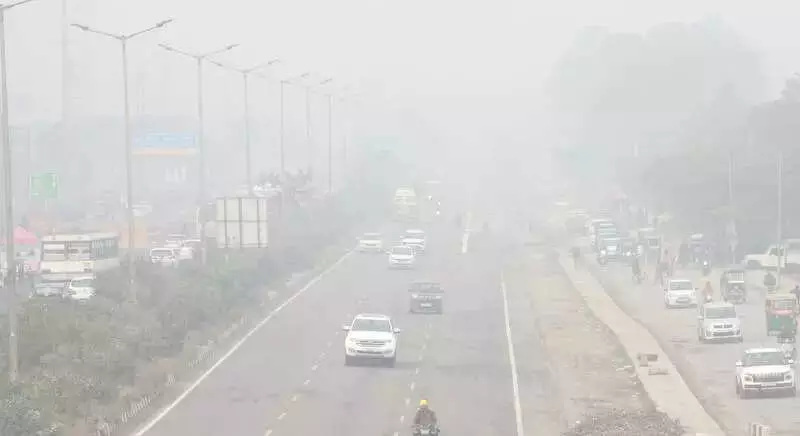
The temperature outlook for January indicates that most parts of India will experience below-normal temperatures. However, some areas in North-West India may see normal or above-normal temperatures. The report also noted severe fog conditions in December 2025, with Odisha experiencing 26 days of dense to very dense fog, and the Indo-Gangetic Plains (including Punjab and Haryana) witnessing 15–26 such days.
The IMD's annual assessment underscores the intensifying challenge of climate volatility in India, marked by record-breaking temperatures, erratic but heavy rainfall, and a significant human cost.