

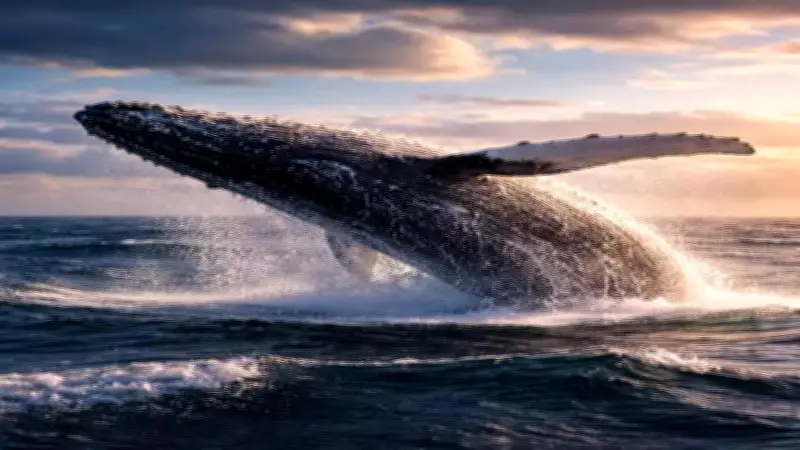
Historic Discovery: 1949 Whale Song Recording Unearthed in US Archives
In a remarkable find for marine science, researchers have discovered the oldest known audio recording of a whale song, captured in 1949 off the coast of Bermuda. This historic recording features a humpback whale and was recovered during the digitisation of archival materials at the Woods Hole Oceanographic Institution in the United States.
Preservation on a Plastic Dictaphone Disc
The audio was originally recorded during tests of sonar systems conducted in cooperation with the US Office of Naval Research. At the time, scientists did not recognise that the mysterious sounds were produced by a whale, but they preserved the recording nonetheless. Stored on a 1940s-era plastic dictaphone disc, this medium has allowed the recording to survive, unlike many magnetic tapes from the same period which have deteriorated over time.
The recording provides not only the whale's vocalisations but also background ocean sounds from the late 1940s, offering a unique acoustic snapshot of a pre-industrial marine environment. Marine bioacoustician Peter Tyack noted that this archival material captures the ambient noise of the ocean before the significant increase in human-made sounds.

Scientific Significance and Modern Comparisons
Humpback whales are famous for their complex songs, which are used for communication, mating, and navigation. Scientists believe that comparing this 1949 recording with contemporary data could reveal changes in vocal behaviours over time. This comparison is crucial for understanding how increased ocean noise from shipping, industrial activities, and sonar systems affects whale communication.
The 1949 recording serves as a valuable reference point for the natural acoustic environment prior to the widespread rise in anthropogenic noise. Researchers intend to use this archival material to study long-term changes in ocean soundscapes, aiding conservation efforts for humpback whales and other marine species.
Rarity of Archival Marine Recordings
Archival recordings from the mid-20th century are exceptionally rare due to the deterioration of older media. The 1949 humpback whale song represents one of the earliest preserved examples of marine bioacoustics. The ongoing digitisation project at Woods Hole Oceanographic Institution highlights the importance of preserving such historical data for future scientific inquiry.
This discovery underscores the value of archival research in uncovering insights into environmental changes and species behaviour over decades. By bridging past and present soundscapes, scientists hope to develop strategies to mitigate human impact on marine life and preserve the acoustic integrity of our oceans.






