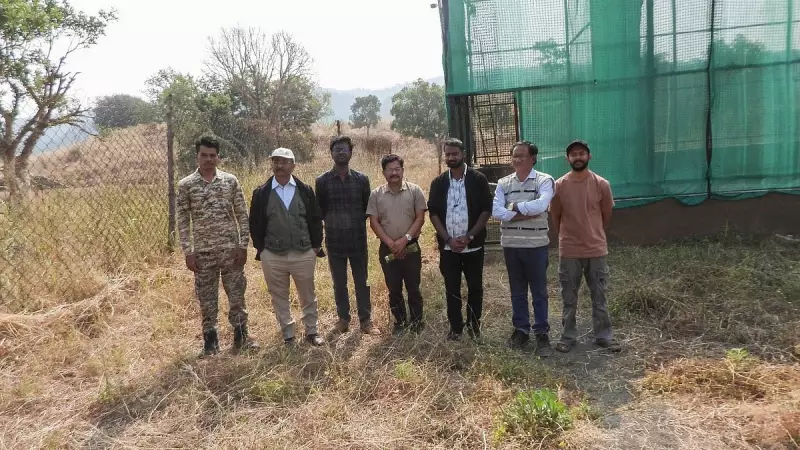
In a significant boost for wildlife conservation in India, the Bombay Natural History Society (BNHS) has successfully released a group of critically endangered vultures into the wild. The historic event took place at the Melghat Tiger Reserve in Maharashtra, marking a pivotal step in the long-term effort to revive the nation's decimated vulture populations.
A Milestone Release for Vanishing Species
The release, which occurred recently, involved 15 White-rumped Vultures (Gyps bengalensis). These birds are classified as Critically Endangered on the IUCN Red List, facing an extremely high risk of extinction in the wild. The vultures were carefully transported from the BNHS's conservation breeding centre in Pinjore, Haryana, to their new home in Melghat, a journey spanning over 1,000 kilometres.
This initiative is a core component of the Vulture Conservation Breeding Programme, a collaborative project spearheaded by BNHS in partnership with the Haryana Forest Department and supported by the Central Zoo Authority. The programme's primary goal is to breed vultures in captivity and eventually reintroduce them into safe wild habitats, thereby creating a safeguard against total extinction.

Why Vultures Are Crucial and Why They Disappeared
The catastrophic decline of vultures across the Indian subcontinent is one of the most rapid avian population collapses ever recorded. From an estimated 40 million birds in the 1980s, numbers plummeted by over 99% in just a couple of decades. Scientific research conclusively identified the cause: diclofenac, a veterinary non-steroidal anti-inflammatory drug (NSAID) used to treat cattle.
When vultures feed on the carcasses of livestock treated with diclofenac, the drug causes fatal kidney failure. The ecological consequences of their disappearance have been severe. Vultures act as nature's most efficient sanitation crew, rapidly consuming dead animals and preventing the spread of diseases like rabies and anthrax. Their absence has led to a surge in feral dog populations and increased public health risks.
Melghat: A Carefully Chosen Sanctuary
The selection of Melghat Tiger Reserve for this release was not arbitrary. The reserve, a sprawling protected area in the Satpura Range of Maharashtra, offers an ideal and secure habitat. Authorities have implemented a strict "Vulture Safe Zone" protocol within a 100-kilometre radius of the release site. This involves rigorous monitoring and ensuring the complete absence of toxic veterinary drugs like diclofenac, aceclofenac, and ketoprofen from the area.
Prior to their release, the vultures were fitted with satellite tags and wing tags for continuous monitoring. This will allow researchers from BNHS and the Maharashtra Forest Department to track their movements, foraging patterns, and overall adaptation to the wild. The data gathered will be invaluable for planning future releases and understanding the post-release survival of these captive-bred birds.
Dr. Vibhu Prakash, the principal scientist and deputy director of BNHS, who has been a leading figure in vulture conservation for decades, emphasised the importance of this step. He noted that while breeding the birds in captivity was the first challenge, successfully reintroducing them to reclaim their ecological role is the ultimate objective.
The Road Ahead for Vulture Recovery
The release of these 15 vultures is a beacon of hope, but it is part of a much longer journey. Conservationists stress that the success of such reintroductions hinges on the continued enforcement of the ban on harmful veterinary drugs and the maintenance of safe zones. Public awareness and the cooperation of local communities living around reserves like Melghat are also critical.
This event sets a precedent for future conservation translocations in India. It demonstrates a successful model of scientific breeding, inter-state collaboration between Haryana and Maharashtra forest departments, and habitat management. The eyes of the conservation world will be on Melghat, watching as these majestic scavengers take to the skies, aiming to restore a vital missing link in India's ecosystem.