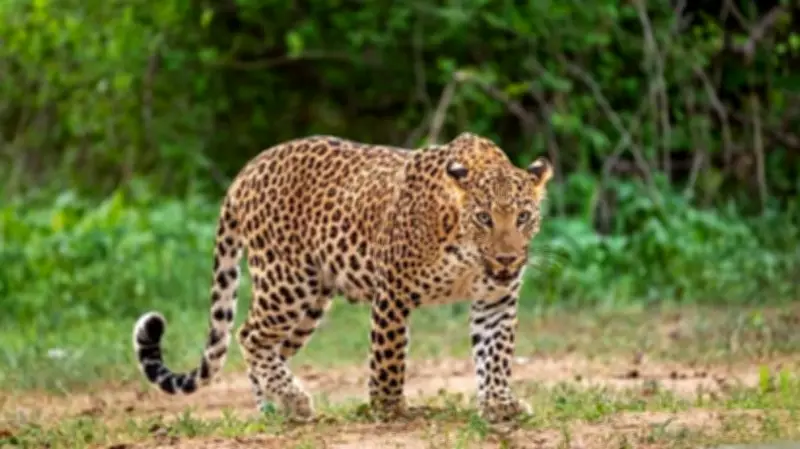
Alarming Spike in Leopard Fatalities Reported in Madhya Pradesh
In a deeply concerning development for wildlife conservation, the state of Madhya Pradesh has witnessed a staggering loss of 149 leopards over a 14-month period spanning from January 2023 to February 2024. This distressing data, compiled from official records, underscores a critical and escalating threat to one of India's most iconic big cat species within the region.
Accidents Emerge as the Primary Culprit in Leopard Mortalities
Detailed analysis of the fatalities reveals that accidents, particularly those involving vehicles on roads and railways, constitute the predominant cause of death among these leopards. This trend points to a severe and growing conflict between expanding human infrastructure and wildlife habitats, leading to tragic and often preventable outcomes for the animals.
Other significant factors contributing to the leopard deaths include natural causes, such as age-related ailments and diseases, as well as incidents of poaching and human-wildlife conflict. However, the overwhelming majority of cases are directly linked to accidental encounters with human-made structures and activities, highlighting an urgent need for mitigation strategies.

Conservation Efforts and Challenges in Madhya Pradesh
Madhya Pradesh, renowned for its rich biodiversity and numerous protected areas, has long been a stronghold for leopard populations in India. The state's forests and wildlife reserves provide crucial habitats for these elusive predators. However, the recent spike in fatalities signals a pressing crisis that demands immediate attention from conservation authorities, policymakers, and local communities alike.
Experts emphasize that the high number of accident-related deaths is largely attributable to the fragmentation of wildlife corridors due to road construction, railway lines, and other developmental projects. This fragmentation forces leopards to traverse hazardous zones in search of prey, territory, or mates, dramatically increasing their vulnerability to fatal collisions.
Call for Enhanced Protective Measures and Public Awareness
In response to these alarming statistics, wildlife conservationists and environmental activists are advocating for the implementation of more robust protective measures. Key recommendations include the construction of wildlife underpasses and overpasses at accident-prone locations, stricter enforcement of speed limits in forested areas, and the installation of early warning systems to alert drivers about animal crossings.
Additionally, there is a strong push for heightened public awareness campaigns to educate communities living near leopard habitats about coexistence strategies and the importance of reporting wildlife sightings to prevent conflicts. Engaging local populations in conservation efforts is seen as vital for reducing both accidental deaths and intentional harm to leopards.
The data on leopard fatalities serves as a stark reminder of the fragile balance between development and wildlife preservation. As Madhya Pradesh continues to grapple with these challenges, the hope is that concerted efforts will lead to a significant reduction in leopard deaths, ensuring the long-term survival of this majestic species in the wild.