Bangladesh's interim administration, led by Nobel laureate Muhammad Yunus, has broken its silence on the escalating civil unrest, issuing a stern condemnation of mob violence, arson, and targeted attacks on media houses. The government's statement, released on Friday, December 19, 2025, frames the current turmoil as a direct threat to the nation's fragile democratic journey, invoking the recent death of prominent leader Sharif Osman Hadi as a rallying cry for peace.
A Stern Condemnation and a Call for Restraint
In its first formal response to the crisis, the interim government "strongly and unequivocally" condemned all acts of violence, intimidation, and destruction of property. The administration warned that the actions of a "small group of fringe elements" risked derailing the country's progress at a pivotal historical moment. "This is a critical moment in our country's history," the statement declared. "We cannot and must not allow it to be derailed by those few who thrive on chaos and reject peace."
The government directly linked the nation's stability to the upcoming electoral process, describing the forthcoming elections and referendum as a "solemn national commitment." This commitment, the statement emphasised, is inseparable from the legacy of Sharif Osman bin Hadi, also known as Shaheed Sharif Osman Hadi, a key figure in the July Uprising who died on December 19 after being shot six days prior. "Honouring his sacrifice demands restraint, responsibility, and a firm commitment to reject hatred," the administration asserted.

Solidarity with Media and Condemnation of Communal Violence
In a notable move, the Yunus-led government expressed explicit solidarity with journalists who faced violence. Offices of major publications like The Daily Star, Prothom Alo, and New Age were attacked during the protests. "To the journalists... we stand with you," the statement said. "We are deeply sorry for the terror and violence you have endured. Attacks on journalists are attacks on truth itself. We promise you full justice."
Furthermore, the interim administration condemned the lynching of a Hindu man in Mymensingh, categorically stating that such communal violence has no place in the nation's future. "There is no space for such violence in the new Bangladesh. The perpetrators of this heinous crime will not be spared," the statement reiterated, underscoring a zero-tolerance policy towards sectarian attacks.
Unrest Context and a Final Plea to Citizens
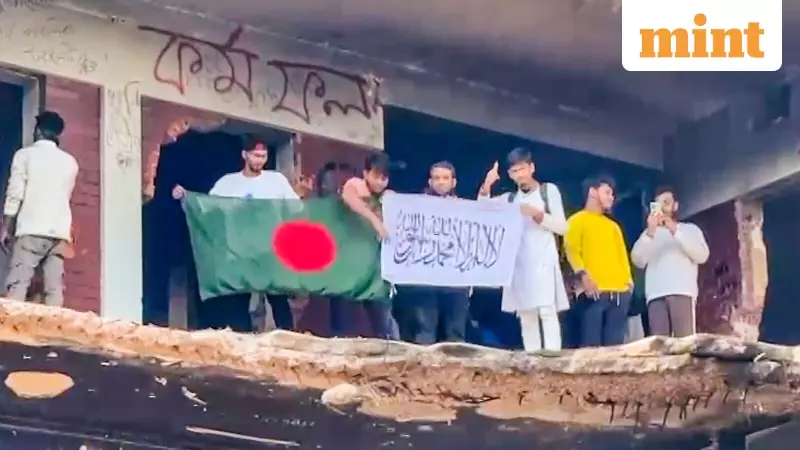
The government's appeal follows a night of intense violence where protesters, angered by Hadi's death, vandalised the partially demolished home of Bangladesh's founding father, Sheikh Mujibur Rahman, at 32 Dhanmandi in Dhaka. Interestingly, Hadi's own organisation, Inqilab Moncho, also urged supporters to avoid violence in a late-night Facebook post on Thursday. The post cautioned that certain groups aimed to create an "ineffective state" through destruction and questioned who would benefit from unrest ahead of the February elections.
Concluding its message, the interim government made a direct, emotional appeal to the citizenry. "At this critical hour, we call upon every citizen to honour Saheed Hadi by rejecting and resisting violence, incitement and hatred," it stated, positioning collective responsibility as the cornerstone for safeguarding the democratic transition.