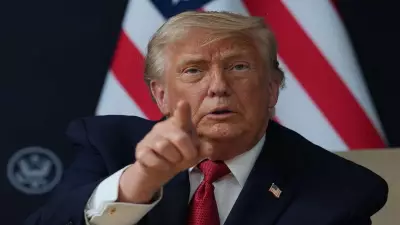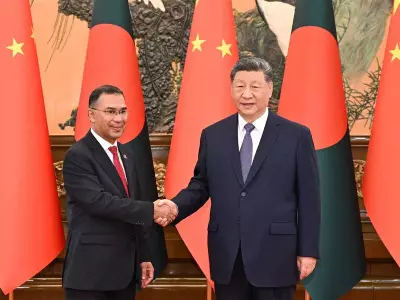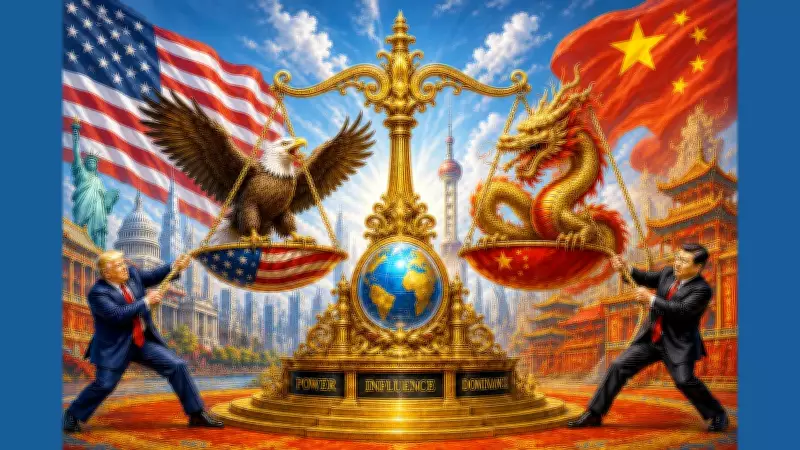
As the world watches the potential return of Donald Trump to the White House, Chinese President Xi Jinping is already recalibrating Beijing's geopolitical strategy. The prospect of a second Trump term has prompted a flurry of diplomatic and economic moves from China, aimed at mitigating risks and seizing opportunities in a rapidly shifting global landscape.
Strategic Economic Leverage
China has been quietly diversifying its trade partnerships, reducing reliance on the US market. The Regional Comprehensive Economic Partnership (RCEP) and the Belt and Road Initiative (BRI) are being leveraged to strengthen ties with Asia, Europe, and Africa. Xi's recent virtual summit with ASEAN leaders underscored a push for deeper integration, offering alternative supply chains to counter potential US tariffs.
Diplomatic Outreach
Beijing has also intensified diplomatic efforts with European nations, wary of a US-China decoupling. High-level visits to France, Germany, and Italy have focused on climate change and green technology cooperation, areas where China sees common ground. Additionally, Xi has engaged with Global South leaders, positioning China as a champion of multilateralism and development finance.

On the security front, China has ramped up military exercises in the South China Sea and near Taiwan, signaling resolve. However, analysts note a cautious tone in official statements, avoiding direct confrontation while preparing for a more transactional US relationship.
Domestic Consolidation
Domestically, Xi is consolidating power ahead of the 2023 Party Congress, emphasizing economic self-reliance and technological sovereignty. The 'dual circulation' strategy aims to boost domestic consumption and innovation, reducing vulnerability to external shocks. State media has been framing Trump's potential return as a test of China's resilience, rallying nationalist sentiment.
Yet, challenges remain. China's property crisis and slowing growth could constrain its ability to project strength. The US dollar's dominance and potential tech decoupling pose long-term risks. Xi's strategy appears to be a blend of patience and proactive positioning, waiting for Trump's moves while building a buffer through diversified partnerships.
In this high-stakes chess game, Xi is not just reacting but shaping the board. Whether Trump returns or not, China's pivot towards multipolarity and self-reliance is likely to define the next phase of global politics.