WUC Marks 29th Anniversary of Ghulja Massacre, Recalls Crackdown on Uyghur Protesters
The World Uyghur Congress (WUC) has solemnly observed the 29th anniversary of the Ghulja massacre, a tragic event that unfolded in the Xinjiang region of China. This commemoration serves as a poignant reminder of the violent crackdown on Uyghur protesters that occurred in 1997, an incident that continues to resonate deeply within the Uyghur community and among human rights advocates worldwide.
Historical Context of the Ghulja Massacre
The Ghulja massacre, also known as the Yining incident, took place in February 1997 in the city of Ghulja (Yining), located in the Xinjiang Uyghur Autonomous Region. It was a period marked by heightened tensions as Uyghur demonstrators took to the streets to protest against perceived cultural and religious suppression by the Chinese authorities. The protests were part of broader unrest in the region, driven by grievances over policies that many Uyghurs felt marginalized their ethnic identity and freedoms.
According to reports and accounts from survivors and human rights organizations, the Chinese security forces responded with severe force to quell the demonstrations. This led to a violent crackdown that resulted in numerous casualties, with estimates of deaths ranging from dozens to over a hundred, though exact figures remain disputed due to limited access to information and government restrictions. The aftermath saw widespread arrests, detentions, and a climate of fear that has persisted in the region for decades.

WUC's Role in Commemoration and Advocacy
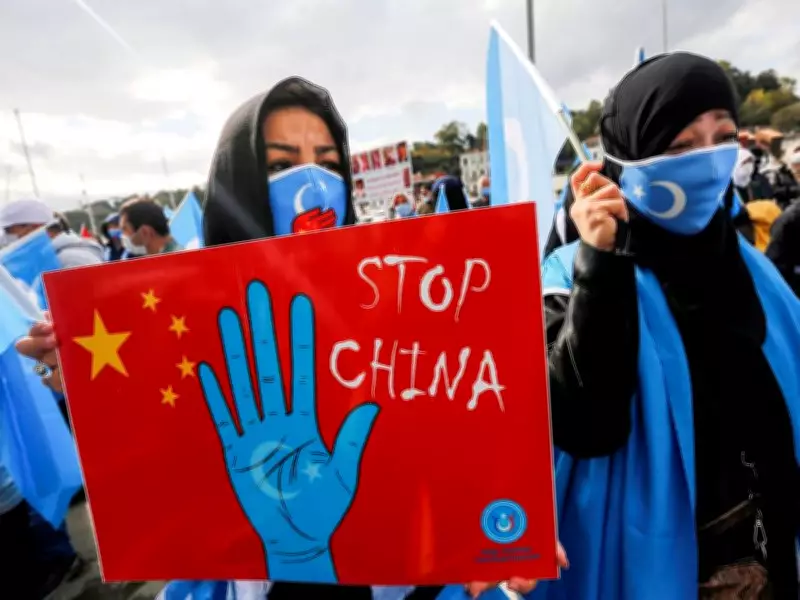
The World Uyghur Congress, an organization representing the interests of the Uyghur diaspora, has been at the forefront of efforts to keep the memory of the Ghulja massacre alive. By marking its anniversary, the WUC aims to highlight ongoing human rights abuses in Xinjiang and call for international attention to the plight of the Uyghur people. In recent years, the situation in Xinjiang has garnered global scrutiny due to allegations of mass surveillance, forced labor, and cultural erasure, making such commemorations even more significant.
During the anniversary events, the WUC has emphasized the need for accountability and justice for the victims of the 1997 crackdown. They have urged the international community to pressure China to address historical injustices and improve the human rights situation in Xinjiang. The organization also uses this occasion to rally support for Uyghur rights, advocating for policies that protect ethnic minorities and promote dialogue and reconciliation.
Impact and Ongoing Relevance
The Ghulja massacre is not just a historical event but a symbol of the broader struggles faced by the Uyghur community under Chinese rule. Over the past 29 years, the region has witnessed continued tensions and repressive measures, including the establishment of re-education camps and strict controls on religious practices. These developments have led to widespread condemnation from governments, NGOs, and activists around the world.
As the WUC recalls the crackdown on Uyghur protesters, it underscores the importance of remembering such incidents to prevent future atrocities. The commemoration serves as a call to action for global leaders to prioritize human rights in their engagements with China and to support initiatives that foster peace and stability in Xinjiang. By keeping the memory of the Ghulja massacre alive, the WUC hopes to inspire continued advocacy and solidarity for the Uyghur cause.
In conclusion, the 29th anniversary of the Ghulja massacre marked by the World Uyghur Congress is a solemn reminder of a dark chapter in history. It highlights the enduring challenges faced by the Uyghur people and the urgent need for international efforts to address human rights violations in Xinjiang. As the world watches, the call for justice and dignity for all ethnic groups in China remains as relevant today as it was nearly three decades ago.