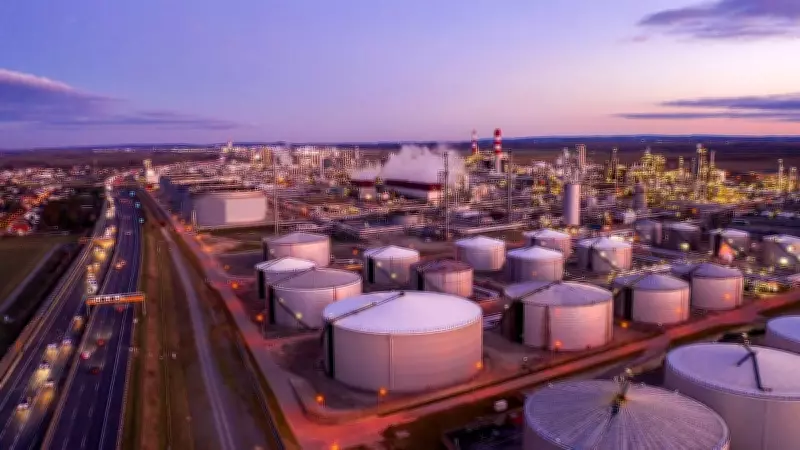
In the aftermath of coordinated military strikes by the United States and Israel against Iran, which led to the closure of the strategic Strait of Hormuz, China implemented a ban on exports of oil products. This move has significantly tightened supplies of jet fuel, gasoline, and diesel for several Asian countries that depend heavily on Chinese refineries.
Strategic Energy Leverage
The export ban is seen as a calculated step by Beijing to consolidate its influence across the region amid rising geopolitical tensions. By controlling access to refined fuels, China has positioned itself as an indispensable energy supplier, forcing neighboring nations to align more closely with its policies.
Impact on Asian Economies
Countries such as Japan, South Korea, and India, which import substantial quantities of refined petroleum products from China, are now facing acute shortages. The disruption has led to surging fuel prices and threatens to slow economic growth. Analysts warn that prolonged restrictions could trigger diplomatic pressures and realignments in regional alliances.

Geopolitical Implications
The crisis has underscored the vulnerability of Asian nations to energy supply disruptions. China's ability to wield its refining capacity as a geopolitical tool has enhanced its standing as a regional power broker. Meanwhile, the United States and its allies are exploring alternative supply routes and emergency reserves to mitigate the impact.
As the situation evolves, the energy war is reshaping power dynamics in Asia, with China leveraging its strategic resources to expand influence while rival nations scramble for energy security.