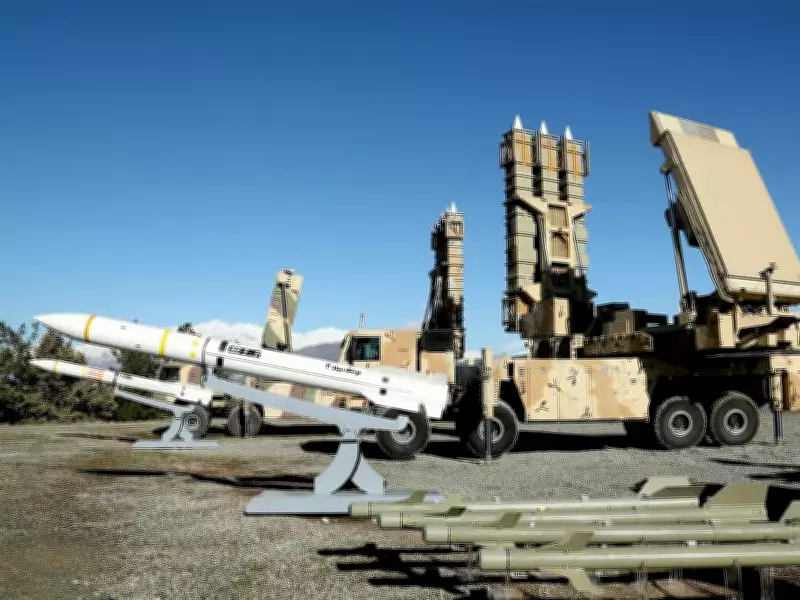
Recent US intelligence assessments indicate that a significant portion of Iran's missile infrastructure remains operational, challenging former President Donald Trump's assertions that the network had been largely destroyed. According to sources familiar with the findings, the intelligence community believes that despite US strikes and sanctions, Iran has managed to preserve the core of its missile capabilities.
Intelligence Findings Contradict Previous Claims
The new intelligence reports suggest that Iran's missile network is not as degraded as previously claimed. While some facilities and equipment were damaged, the majority of Iran's missile production and launch capabilities remain intact. This revelation comes amid ongoing tensions between the US and Iran over the latter's nuclear program and regional activities.
Details of the Assessment
According to the reports, Iran has been able to disperse its missile assets and harden key facilities, making them difficult to destroy. The intelligence indicates that Iran retains the ability to produce and deploy a wide range of missiles, including short-range and medium-range ballistic missiles. Additionally, Iran's missile forces have been integrated into its broader military strategy, with command and control systems remaining largely functional.

The assessment also notes that Iran has continued to develop new missile technologies, including improved guidance systems and warhead designs. This suggests that Iran's missile program is not only surviving but also evolving, posing a continued threat to regional stability and US interests.
Implications for US Policy
The intelligence findings have significant implications for US policy towards Iran. They undermine the narrative that maximum pressure and military strikes have crippled Iran's missile capabilities. As a result, US policymakers may need to reconsider their approach, potentially focusing more on diplomatic engagement or alternative strategies to address the missile threat.
The findings also raise questions about the accuracy of previous assessments and the effectiveness of US actions. Some experts argue that the intelligence community needs to improve its ability to assess the resilience of adversary military networks, particularly in the face of asymmetric threats.
Reactions and Next Steps
US officials have not publicly commented on the intelligence findings, but the reports are likely to fuel debate within the administration and Congress. Some lawmakers may call for a review of US strategy towards Iran, while others may push for additional sanctions or military options. Meanwhile, Iran has denied that its missile program has been significantly affected, claiming that it is self-sufficient and capable of defending itself.
As the situation evolves, the intelligence community will continue to monitor Iran's missile activities and provide updates to policymakers. The goal remains to prevent Iran from acquiring nuclear weapons and to ensure the security of US allies in the region.