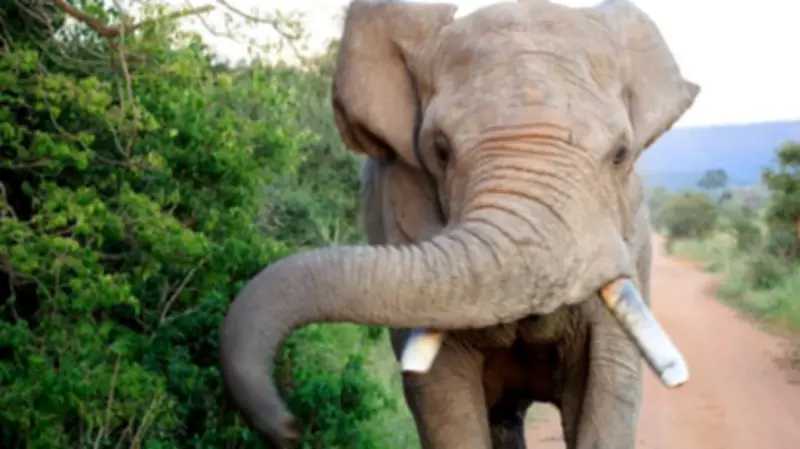
Two individuals lost their lives in separate elephant attacks in Kerala, bringing the total number of fatalities due to such incidents to six over the past four months. The latest incidents underscore the growing tension between humans and elephants in the state.
Details of the Attacks
The first attack occurred in the forested region of Wayanad, where a 45-year-old man was trampled by a wild elephant while he was collecting firewood near the edge of the forest. The second incident took place in the district of Palakkad, where a 60-year-old woman was attacked and killed when an elephant entered her property. Both victims were residents of villages adjacent to wildlife corridors.
Rising Human-Elephant Conflict
According to forest department officials, the state has witnessed an alarming increase in elephant attacks in recent years. Factors such as habitat loss, encroachment into elephant territories, and changes in migration patterns due to climate change are contributing to the conflict. In the last four months alone, six people have been killed, raising concerns among local communities and conservationists.

Government Response
The Kerala government has announced compensation of Rs 5 lakh each to the families of the deceased. Additionally, measures such as the installation of solar-powered fences, elephant-proof trenches, and early warning systems are being expedited in vulnerable areas. The forest department has also increased patrolling and is working with local communities to prevent further incidents.
Community Concerns
Residents living near forest boundaries have expressed fear and frustration over the recurring attacks. Many demand more effective measures to protect both lives and livelihoods. Conservationists, however, emphasize the need for sustainable coexistence strategies that address the root causes of the conflict, including habitat preservation and responsible land-use planning.
The state government has urged people to remain vigilant and avoid venturing into elephant habitats, especially during dawn and dusk when elephants are most active. Authorities are also considering the use of technology such as drone surveillance and AI-based monitoring to track elephant movements and alert communities in real-time.