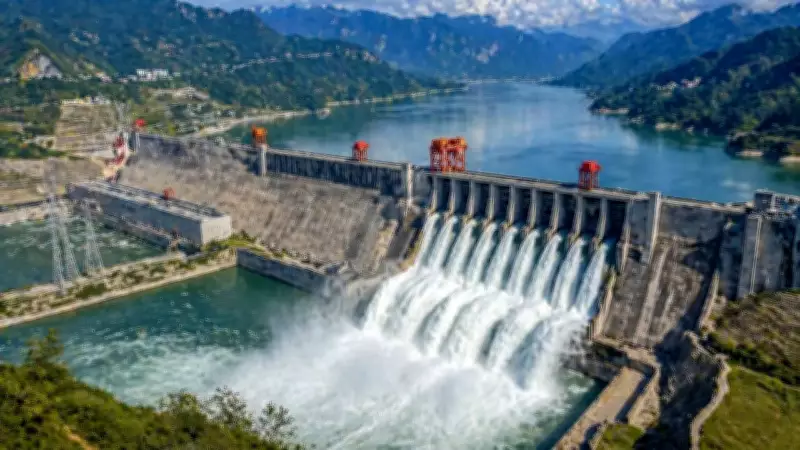
Dams are massive civil engineering structures that regulate water flow, generate hydroelectricity, and provide flood protection. Large dams worldwide are classified based on criteria such as installed capacity for hydropower, reservoir capacity, and construction size. According to databases from institutions like the International Commission on Large Dams and national hydropower corporations, these dams rank among the largest man-made structures ever built. Distributed globally, they play a vital role in energy production and water management. Below is a list of the top ten largest dams in the world, ranked primarily by their installed hydropower generation capacity.
The Biggest Dams in the World and Their Unique Features
These dams are among the largest ever constructed, primarily used for hydropower generation, flood control, and water storage. Their immense size allows them to supply electricity to millions, regulate rivers, and support agricultural activities.
Three Gorges Dam, China (22,500 MW)
Located on the Yangtze River, the Three Gorges Dam is the world's largest hydroelectric power station by installed capacity. It is crucial for electricity generation, flood prevention, and river navigation, playing a key role in China's energy policy.

Baihetan Dam, China (16,000 MW)
The Baihetan Dam, situated on the Jinsha River, is one of the newest hydropower plants in China. It features advanced turbines and is among the largest hydropower facilities globally, forming part of a cascade system on the river.
Itaipu Dam, Brazil/Paraguay (14,000 MW)
The Itaipu Dam on the Paraná River is one of the largest hydroelectric dams worldwide, known for its record electricity production. It meets Paraguay's energy needs and contributes significantly to Brazil's energy independence.
Xiluodu Dam, China (13,860 MW)
Xiluodu Dam is a major hydropower plant in China, providing substantial power generation. Besides electricity, it regulates water flow on the Jinsha River.
Belo Monte Dam, Brazil (11,233 MW)
Located on the Xingu River, Belo Monte Dam is the largest dam in South America. Despite its high installed capacity, actual electricity generation varies with seasonal water levels.
Guri Dam, Venezuela (10,235 MW)
Also known as the Simón Bolívar Dam, Guri Dam is among the biggest hydroelectric dams. It generates vast amounts of electricity for Venezuela and features one of the world's largest reservoirs.
Tucuruí Dam, Brazil (8,370 MW)
The Tucuruí Dam on the Tocantins River is a major Brazilian dam used for electricity generation. It supports industrial economic development and supplies power to numerous regions.
Grand Coulee Dam, USA (6,809 MW)
Grand Coulee Dam on the Columbia River is one of America's largest structures. It serves multiple purposes, including hydroelectric power, flood control, and irrigation.
Xiangjiaba Dam, China (6,448 MW)
Xiangjiaba Dam is another notable hydropower plant on the Jinsha River. It is a key component of China's electricity generation and distribution system, working with other dams to optimize performance.
Sayano-Shushenskaya Dam, Russia (6,400 MW)
Located on the Yenisei River, the Sayano-Shushenskaya Dam is Russia's largest power plant. Its electricity output is vital for industrial regions in the area.