

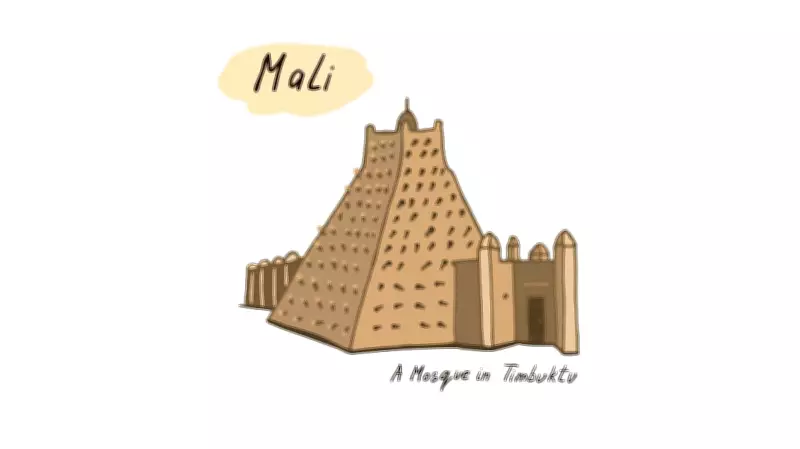
Timbuktu, a name that evokes images of golden sands and ancient scholarship, holds a unique place in world history. Located on the edge of the Sahara Desert in present-day Mali, this city was once a thriving hub of commerce and learning. Its legacy is defined by two remarkable treasures: gold and manuscripts.
The Golden Era of Timbuktu
During the 14th to 16th centuries, Timbuktu flourished as a major trading post for gold, salt, and other goods. The city's strategic location made it a crucial link between West Africa and the Mediterranean world. Caravans traversed the desert, bringing gold from the south and salt from the north, enriching the city and its rulers. The wealth generated from trade attracted scholars, merchants, and travelers from across Africa, Europe, and the Middle East.
The Manuscripts of Timbuktu
Beyond its commercial prosperity, Timbuktu became a center of intellectual excellence. The city housed numerous libraries and universities, where scholars produced and collected thousands of manuscripts. These texts covered a wide range of subjects, including astronomy, mathematics, medicine, law, and theology. They were written in Arabic and local languages, reflecting the diverse influences that shaped the region's culture.

The manuscripts were often beautifully illuminated and bound, demonstrating the artistry of their creators. They were preserved in family collections and institutions, such as the Ahmed Baba Institute, which holds over 20,000 manuscripts. These documents provide invaluable insights into the history, science, and philosophy of West Africa.
Threats and Preservation Efforts
In recent years, Timbuktu's manuscript heritage has faced serious threats. During the conflict in Mali in 2012, extremist groups occupied the city and destroyed many tombs and shrines. However, a courageous effort by locals and librarians saved hundreds of thousands of manuscripts by smuggling them to safety in Bamako. Despite these efforts, many manuscripts remain at risk from climate, pests, and neglect.
International organizations, including UNESCO and the Malian government, have worked to preserve and digitize these treasures. The Timbuktu Manuscripts Project aims to catalog and conserve the texts, making them accessible to scholars worldwide. These efforts ensure that the knowledge contained within these pages continues to inspire future generations.
Legacy and Significance
Timbuktu's story is a testament to the power of knowledge and trade in shaping civilizations. The city's golden age reminds us that Africa was not merely a source of raw materials but also a cradle of learning and culture. The manuscripts of Timbuktu stand as a symbol of resilience and intellectual heritage, challenging stereotypes and enriching our understanding of global history.
Today, Timbuktu remains a UNESCO World Heritage site, attracting visitors from around the world. Its legacy continues to inspire efforts to preserve and celebrate the rich cultural heritage of West Africa.






