

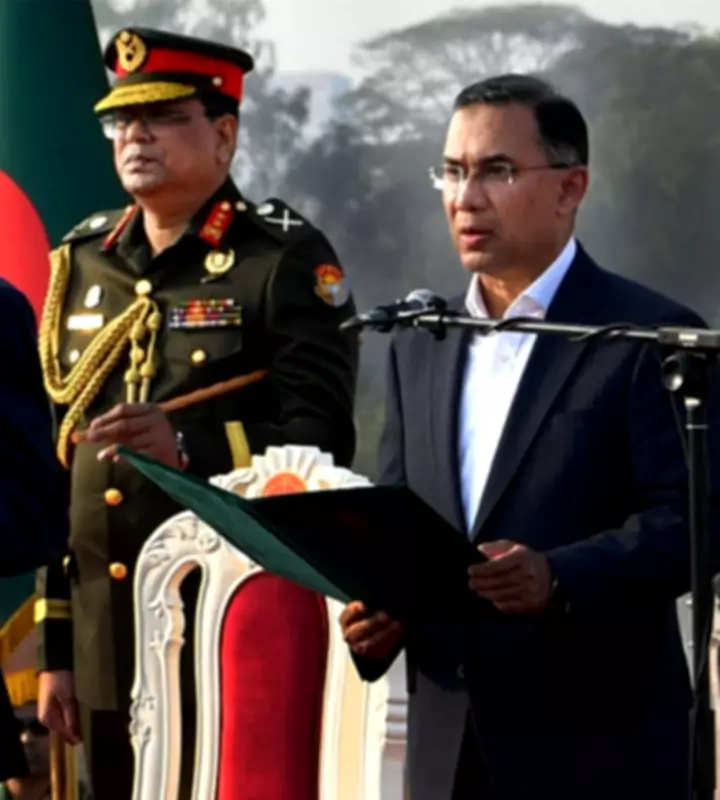
Bangladesh Prime Minister Tarique Rahman's decision to begin his maiden foreign tour with visits to Malaysia and China has prompted speculation in strategic circles about the future of Dhaka–New Delhi relations. However, officials on both sides have downplayed the significance of his choice of destinations.
Rahman Departs for Six-Day Trip
Rahman departed for Kuala Lumpur on Sunday on the first leg of a six-day trip that will later take him to China, where he is expected to meet senior Chinese leaders and oversee the signing of agreements aimed at boosting investment and infrastructure cooperation. This marks his first overseas travel since assuming office in February.
Indian Prime Minister Narendra Modi had extended an invitation to Rahman soon after he took office, with both leaders expressing a desire to strengthen bilateral cooperation and regional security. The fact that Rahman chose Malaysia and China before India has inevitably sparked discussion in New Delhi.

Officials Downplay Diplomatic Slight
Yet sources familiar with the relationship dismissed suggestions that the move should be seen as a diplomatic slight. “Such things do not determine India–Bangladesh relations,” one source said. Officials highlighted that both countries have continued efforts to stabilise ties since Rahman’s election earlier this year, including initiatives to improve border coordination and intelligence-sharing despite periodic irritants.
Analysts have also argued that Dhaka’s decision reflects economic calculations rather than geopolitical signalling. Malaysia remains a major destination for Bangladeshi workers, while China is expected to feature prominently in Dhaka’s plans for attracting investments. According to official data, remittances from Malaysia account for a significant portion of Bangladesh's foreign exchange earnings.
Economic Factors Behind the Itinerary
Bangladesh relies heavily on remittances from its diaspora, with Malaysia hosting over one million Bangladeshi workers. Meanwhile, China has been a key investor in Bangladesh's infrastructure projects under the Belt and Road Initiative. The agreements expected to be signed during Rahman's visit to China are likely to focus on enhancing trade and investment flows.
Strategic experts note that while the itinerary has raised eyebrows in New Delhi, it is pragmatic for Dhaka to diversify its international partnerships. Bangladesh's foreign policy has historically balanced relations with major powers including India, China, and Southeast Asian nations.






