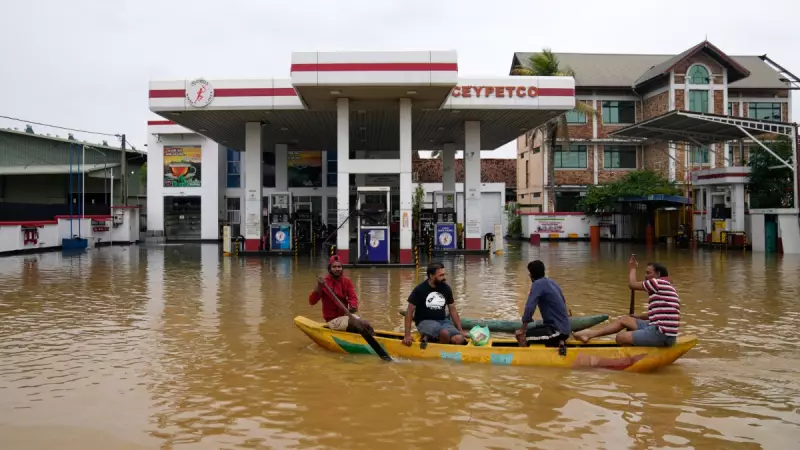
Sri Lanka has been plunged into a major crisis after Cyclone Ditwah unleashed devastating floods and landslides across the nation, claiming over 120 lives and prompting the government to declare a state of emergency. The catastrophic weather event has left a trail of destruction, displacing thousands and crippling infrastructure.
Widespread Destruction and Rising Death Toll
The full scale of the disaster became apparent on Friday, November 28, 2024, as rescue teams worked tirelessly to reach affected areas. The official death toll has surged past 120, with many more individuals reported missing. The cyclone's intense rainfall triggered massive landslides in hilly regions and caused rivers to overflow, submerging entire villages and cutting off access to major roads.
Rescue operations are being hampered by continuous bad weather and extensive damage to transportation networks. The Sri Lankan military, including the army, navy, and air force, has been deployed for large-scale relief and rescue missions. Emergency services are struggling to reach isolated communities where people are stranded without food, clean water, or electricity.

Government Declares State of Emergency
In response to the escalating humanitarian crisis, the Sri Lankan government took the decisive step of declaring a state of emergency. This declaration, made on Thursday, November 27, 2024, empowers authorities to implement swift disaster response measures, coordinate relief efforts more effectively, and maintain public order.
The government has established numerous temporary shelters for those who have lost their homes. Essential supplies, including food packets, drinking water, and medical aid, are being air-dropped and transported by boat to the worst-hit zones. Hospitals have been put on high alert to treat the injured and manage potential outbreaks of waterborne diseases in the aftermath of the flooding.
Regional Impact and International Response
The effects of Cyclone Ditwah are being felt across the region, with southern Indian states also reporting heavy rainfall and flooding. The Indian Meteorological Department has issued warnings for coastal areas, and Indian disaster response teams are on standby.
The international community has begun offering support and condolences to Sri Lanka. Neighboring countries and global aid organizations are mobilizing resources to assist in the relief efforts. The focus is now on providing immediate life-saving assistance and, subsequently, on the long and arduous task of rebuilding shattered communities and infrastructure.
This disaster serves as a stark reminder of the increasing frequency and intensity of extreme weather events in the region. It highlights the critical need for robust early warning systems, climate-resilient infrastructure, and comprehensive disaster management plans to mitigate future tragedies.