Pakistan's capital territory is grappling with an impending flour crisis that threatens to leave millions without basic food supplies. The twin cities of Islamabad and Rawalpindi are facing severe shortages of wheat flour, a staple food for most Pakistani households, due to what experts are calling systematic government mismanagement and supply chain failures.
Government Mismanagement Triggers Food Emergency
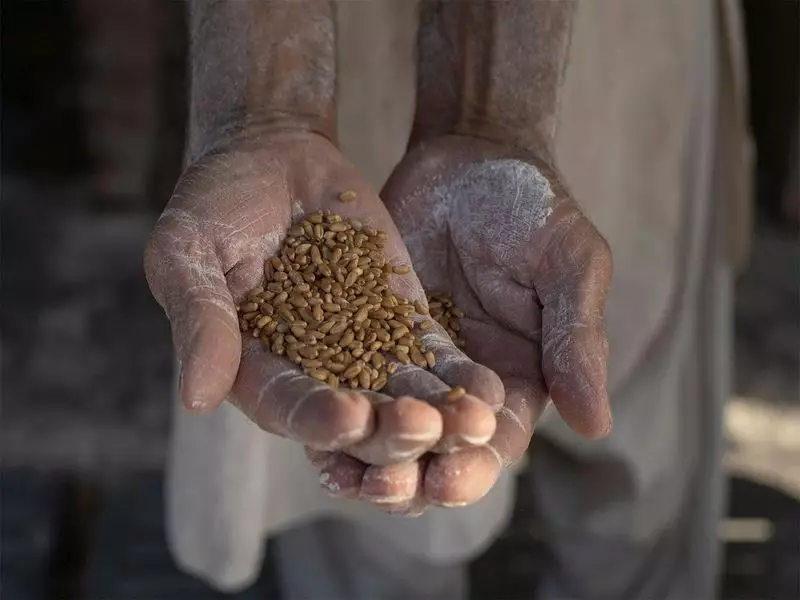
The crisis has been brewing for months, with the Pakistan government failing to maintain adequate wheat reserves and manage distribution effectively. The federal government currently maintains only 30,000 metric tons of wheat in its reserves, a dangerously low quantity that cannot meet the demands of the capital territory's growing population.
According to industry sources and flour mill owners, the government's indecisiveness about wheat imports has exacerbated the situation. Despite clear warning signs of dwindling supplies, authorities delayed critical decisions about international wheat procurement, creating a gap that now threatens food security in the region.
Supply Chain Breakdown and Market Manipulation
The flour supply chain has completely broken down in several areas of the twin cities. Many flour mills have ceased operations due to unavailability of wheat, while those still functioning are operating at significantly reduced capacity. This has created artificial scarcity in the market, leading to panic buying among consumers.
Market manipulators and hoarders have taken advantage of the situation, further worsening the crisis. The price of available flour bags has skyrocketed, putting additional financial pressure on ordinary citizens already struggling with inflation. The government's failure to regulate prices and crack down on hoarding has allowed this situation to spiral out of control.
Immediate Consequences and Public Suffering
The flour shortage is having immediate and severe consequences for residents of Islamabad and Rawalpindi. Long queues have become common outside functional flour mills, with people waiting for hours in the hope of securing a single bag of flour. Many return empty-handed after exhausting waits, creating frustration and anger among the population.
Small businesses, particularly bakeries and restaurants, are facing operational challenges that threaten their survival. The unavailability of consistent flour supplies means they cannot maintain regular production, potentially leading to job losses and further economic hardship in the region.
The crisis highlights deeper structural problems in Pakistan's food management system. Years of poor planning and inadequate storage facilities have made the country vulnerable to such emergencies, despite having agricultural potential. The current situation serves as a warning that without comprehensive reforms, such crises could become more frequent and severe.
Urgent Solutions Needed to Avert Disaster
Industry experts suggest several immediate measures to address the crisis. The government must urgently arrange wheat imports to bridge the supply gap and rebuild strategic reserves. Simultaneously, authorities need to activate monitoring mechanisms to prevent hoarding and price gouging in the market.
Long-term solutions require overhauling the entire food security infrastructure. This includes improving storage facilities, modernizing supply chain management, and developing contingency plans for emergency situations. The current crisis demonstrates that temporary fixes will not prevent future food emergencies in Pakistan.
As the situation continues to develop, citizens of the twin cities remain anxious about their ability to secure basic food items. The flour crisis represents not just a failure of distribution but a broader collapse of governance that affects the most fundamental needs of the population.