Pakistan-Afghanistan Border Conflict Extends Into Fifth Day With No Peace in Sight
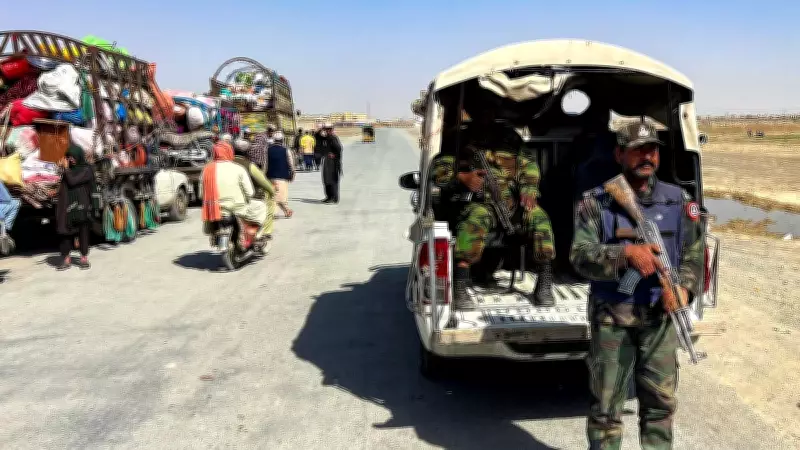
The ongoing border conflict between Pakistan and Afghanistan has now persisted for five consecutive days, with both nations showing no signs of stepping back or initiating peace talks. According to reports, the intensity of the military clashes has diminished compared to the initial outbreak, yet the situation remains tense and unresolved.
No De-escalation Efforts Despite Reduced Fighting
Although the fighting has reportedly decreased in intensity since it began, there are no clear signals that either Pakistan or Afghanistan is seeking to de-escalate the conflict. The two countries, once allies, have turned into foes, with the border region becoming a hotspot for ongoing hostilities. This prolonged engagement raises concerns about regional stability and the potential for further escalation.
Background and Regional Implications
The conflict stems from longstanding territorial disputes and political tensions between Pakistan and Afghanistan. As the fighting enters its fifth day, international observers are closely monitoring the situation, given its potential impact on broader Asian geopolitics. The lack of peace initiatives highlights the deep-seated issues between the two nations, which have historical roots and complex diplomatic challenges.

Key Developments:
- The conflict started five days ago with intense clashes along the border.
- Fighting intensity has lowered but remains ongoing without cessation.
- Neither side has shown willingness to engage in peace talks or withdraw forces.
- The situation poses risks to regional security and could affect neighboring countries.
International Response and Future Outlook
As the conflict drags on, there is growing international concern about the humanitarian and security implications. The United Nations and other global bodies may need to intervene to prevent further deterioration. For now, the focus remains on whether Pakistan and Afghanistan will eventually seek diplomatic solutions or continue with military engagements, potentially leading to a protracted conflict.
This report is based on information available as of March 2, 2026, and will be updated as new developments emerge.