Scientists Discover Alien-Like Whip-Tailed Cobra Lily in Mizoram's Misty Mountains
In the misty, remote mountains of Northeast India, a team of dedicated scientists has made a remarkable botanical discovery that appears almost otherworldly. Researchers from the prestigious Botanical Survey of India have successfully identified and documented a completely new species of Cobra Lily, which they have officially named Arisaema siahaense. This extraordinary plant was found thriving in the lush, biodiverse landscapes of Mizoram's Siaha District, where it stands out for its unusual height and a distinctive whip-like tail that elegantly hangs from its flowering head.
A Botanical Marvel with Unique Characteristics
Arisaema siahaense is an evergreen herb that can grow to impressive heights of over one metre, making it a striking presence in its natural habitat. Like other Cobra Lilies, it features a spathe that closely resembles a cobra's hood, a familiar trait to botanists and plant enthusiasts. However, what truly sets this species apart is its remarkable spadix appendix—a long, slender tail that can extend up to 21 centimetres in length. This tail is covered in fine, delicate hairs that range in color from brownish to green, adding to its unique appearance.
Unlike its relatives found in China and Southeast Asia, this newly discovered Cobra Lily grows from a rounded tuber rather than a creeping rootstock, a significant botanical distinction. Its leaves are equally distinctive, being precisely divided into three segments, which further emphasizes its uniqueness. Observers have noted that the plant almost seems to possess a personality of its own, with an almost alien-like quality that captivates anyone who sees it.

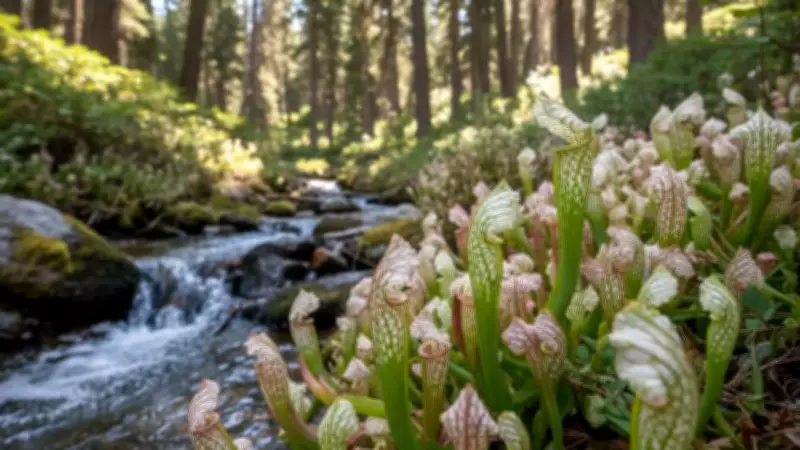
The plant reportedly thrives in specific environmental conditions, preferring moist, rocky slopes near streams where sunlight and water converge perfectly. Discovering it in the wild is described as akin to finding a hidden treasure, a testament to the rich biodiversity of the region.
The Discovery Process: Patience and Precision
The discovery of Arisaema siahaense was the result of meticulous scientific exploration in the remote areas of the Indo-Burma biodiversity hotspot within Mizoram. Scientists embarked on challenging treks around Tlangpui Peak, where they were engaged in measuring streams and documenting vegetation. During these expeditions, they encountered plants that looked unlike any known species, prompting closer examination.
After rigorous analysis, including microscopic examination of the flowers, the team confirmed they had indeed found a new species. The discovery process highlights the importance of patience and a keen eye in botanical research. Field expeditions spanned from September 2023 to June 2025, demonstrating the significant effort and time required to document flora in such isolated and challenging environments. This was not a quick or easy find but rather the culmination of years of dedicated work.
Naming the Species: A Tribute to Local Stewardship
The name siahaense pays homage to the Siaha District where the plant was first observed. In choosing this name, scientists also aimed to recognize and honor the local communities, such as the Kompa family, who have played a crucial role in protecting the forests and preserving biodiversity. This gesture, though seemingly small, reflects a deep respect for the indigenous people whose stewardship has helped maintain these natural habitats without seeking recognition.
Naming a species extends beyond mere scientific classification; it tells a story of nature, discovery, and human care. In this case, the story underscores how local communities and scientific endeavors can work hand in hand to safeguard our planet's biological wealth.
Conservation Concerns: Protecting a Fragile Habitat
Despite the excitement surrounding this discovery, experts have raised urgent concerns about the conservation status of the Siaha Cobra Lily. Its habitat is under increasing pressure from various threats, including road construction, grazing by animals such as goats and mithuns, and the spread of invasive weeds. Given that the plant is currently known only from a small, specific area, any disturbance could have severe consequences for its survival.

Conservationists emphasize that protecting these forests is essential to ensure the long-term viability of Arisaema siahaense. Even minor environmental changes could have significant impacts on this delicate species. Currently classified as Data Deficient, researchers advocate for immediate monitoring and conservation efforts to prevent potential decline. Witnessing this plant grow in its natural setting is described as a rare and precious experience, underscoring the need for proactive protection measures.