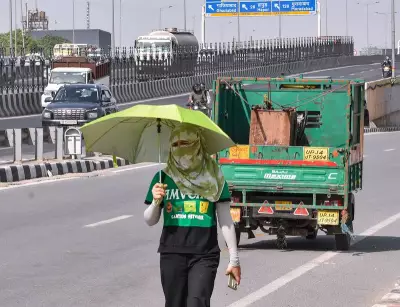
Mumbai: Residents in the eastern suburbs of Mumbai are experiencing intense discomfort as a significant rise in moisture levels makes the summer heat increasingly oppressive. While official maximum temperatures range between 33°C and 35°C, the elevated humidity has created conditions far more stifling than the dry heat typical of March.
Geographical Factors Amplify Discomfort
The discomfort is largely due to geography. These inland areas are situated over 10 kilometers from the coast and miss the cooling sea breeze that moderates temperatures in western Mumbai. Instead, they are exposed to warm northwesterly winds, which exacerbate the feeling of heat.
Humidity, Not Peak Temperatures, to Blame
Meteorologists explain that the current sticky and sweaty weather is not caused by record-breaking high temperatures but by the heavy moisture content in the air. Although peak mercury levels are normal for this time of year, high humidity prevents natural cooling through evaporation, making the atmosphere feel significantly heavier and more punishing than the dry heat waves earlier in the summer.

Independent meteorologist Abhijit Modak noted that while March often sees sharper spikes with temperatures crossing 40°C in drier air, April and May are characterized by rising moisture levels rather than extreme heat. He also highlighted a data limitation: the absence of an IMD observatory in the eastern suburbs means citywide averages may not fully reflect the severity of conditions in those specific areas.
Observatory Data and Forecast
On Sunday, the IMD's Colaba observatory recorded an average temperature of 34.4°C, 1°C above normal, with a minimum of 26.5°C. At Santacruz, the maximum was 33.8°C and the minimum 26°C, both marginally warmer than usual. Despite the current oppressive weather, the IMD expects improvement soon.
"We are monitoring the current wind patterns and moisture levels closely. Residents can expect some respite as temperatures should reduce and let up in the next few days," said Nitha Sasidharan from the IMD. Until then, the eastern belt continues to bear the brunt of the pre-monsoon heat as inland winds intensify discomfort by early afternoon.