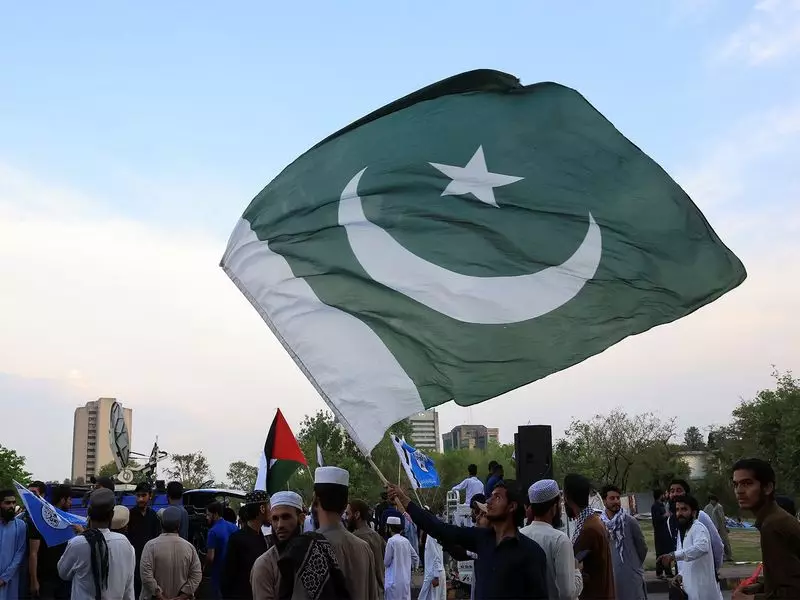
The Muttahida Qaumi Movement-Pakistan (MQM-P) has declared a decisive political movement, termed the 'Karachi Bachao' (Save Karachi) campaign, in response to the rapidly deteriorating civic conditions in Pakistan's largest metropolis. The announcement signals a major escalation in the party's efforts to pressure the government into addressing the city's chronic infrastructure failures.
A City on the Brink: The Catalysts for Protest
The decision to launch this aggressive campaign was made during a crucial meeting of the MQM-P's Rabita Committee, the party's central coordination body, held on Monday. Party leaders expressed profound frustration over the persistent and severe crises plaguing Karachi's residents. The core issues highlighted include an acute shortage of clean drinking water, prolonged and unannounced power outages, a completely collapsed sewage system, and heaps of uncollected garbage littering the streets.
Dr. Khalid Maqbool Siddiqui, the convener of MQM-P, presided over the meeting where the strategy was formulated. The committee unanimously agreed that the situation had crossed all tolerable limits, leaving the party with no option but to initiate a widespread public movement. The 'Karachi Bachao' campaign is envisioned as a sustained effort to mobilize citizens and demand accountability from the authorities responsible for the city's administration.
Political Repercussions and Accusations
Beyond the civic complaints, the Rabita Committee also launched a sharp political critique. The party accused the current government of engaging in what it called "political engineering" aimed at undermining MQM-P's influence and voter base in Karachi. This allegation adds a significant layer of political tension to the civic campaign, framing the struggle not just as one for municipal services but also for political survival and representation.
Furthermore, the committee voiced strong objections to the recent statements made by Sindh Governor Kamran Khan Tessori. The governor had suggested that the problems of Karachi should be resolved through collaborative discussions with the Pakistan Peoples Party (PPP), which leads the provincial government in Sindh. MQM-P leaders interpreted this as an attempt to sideline their party, which holds significant electoral power in the city, from the decision-making process.
The Path Forward: Demands and Mobilization
The 'Karachi Bachao' campaign is not merely a symbolic protest. The Rabita Committee has outlined clear, actionable demands for the government. The primary call is for immediate and concrete steps to resolve the water and electricity crises, alongside a comprehensive plan to overhaul the city's sanitation and waste management infrastructure.
The party has announced its intention to take this movement directly to the people of Karachi. This will involve organizing public gatherings, protest rallies, and press conferences to amplify their message and build public pressure. The goal is to create a unified civic front that compels the Sindh government and federal authorities to prioritize Karachi's needs.
The launch of this campaign marks a critical juncture in Karachi's turbulent political landscape. It underscores the growing chasm between the city's residents, who feel neglected, and the provincial administration. The success or failure of the 'Karachi Bachao' movement could have substantial implications for the political dynamics of Sindh and for the stability of Pakistan's most important economic hub.