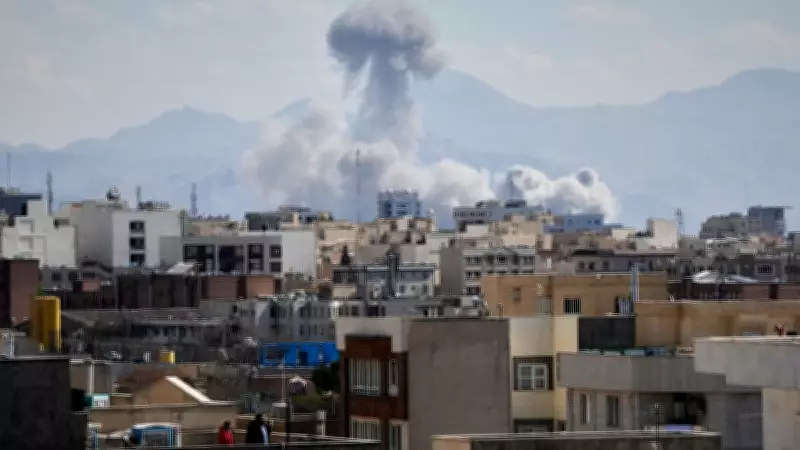
Iran's Retaliation Strategy: Nine Countries on High Alert Following US-Israel Strikes
In a significant escalation of regional tensions, Iran has outlined a comprehensive retaliation strategy targeting nine countries in response to recent military strikes by the United States and Israel. This development has placed global security agencies on high alert, as Tehran signals its intent to respond through asymmetric warfare tactics that could destabilize the broader Middle East and beyond.
Targeted Nations and Strategic Implications
The nine countries identified in Iran's retaliation plan include key regional players and Western allies, reflecting Tehran's broader geopolitical ambitions. While specific nations have not been publicly disclosed by Iranian officials, intelligence reports suggest they encompass states with historical animosities toward Iran, as well as those hosting US or Israeli military assets. This multi-front approach aims to stretch adversary resources and complicate defensive postures.
Experts note that Iran's strategy likely involves a combination of proxy militias, cyberattacks, and economic pressure, rather than direct conventional military confrontation. This asymmetric model leverages Tehran's network of allied groups across the region, such as Hezbollah in Lebanon and Houthi rebels in Yemen, to project power while maintaining plausible deniability.

Background: US-Israel Strikes and Escalating Tensions
The current crisis stems from a series of coordinated strikes by US and Israeli forces against Iranian-linked targets in recent months. These operations targeted facilities involved in drone production, missile development, and proxy training, aiming to curb Tehran's expanding military capabilities. In response, Iranian leaders have vowed "severe and calculated" retaliation, framing the conflict as a defense of national sovereignty against foreign aggression.
Regional analysts warn that this cycle of action and reaction risks spiraling into a wider conflict, potentially drawing in other global powers. The involvement of nine countries in Iran's retaliation plan underscores the transnational nature of modern security threats, where regional disputes can quickly have international repercussions.
Iran's Asymmetric Warfare Tactics Explained
Proxy Warfare: Iran has long cultivated relationships with non-state actors across the Middle East, providing them with funding, training, and weapons. In a retaliation scenario, these groups could launch attacks on behalf of Tehran, targeting diplomatic missions, military installations, or economic infrastructure in the nine designated countries.
Cyber Operations: Iranian state-sponsored hackers are capable of disrupting critical infrastructure, such as power grids, financial systems, and communication networks. Cyberattacks offer a low-cost, high-impact means of retaliation with significant deniability.
Maritime Threats: The Strait of Hormuz, a vital chokepoint for global oil shipments, remains a potential flashpoint. Iran could harass or seize commercial vessels, escalating tensions and impacting international energy markets.
Ballistic Missile Strikes: While riskier, Iran possesses a substantial arsenal of short- and medium-range missiles capable of striking targets across the region. Such actions would represent a significant escalation but remain within Tehran's military doctrine under certain conditions.
Global Response and Security Measures
Countries named in Iran's retaliation plan are reportedly bolstering their defensive postures, enhancing intelligence sharing, and coordinating with international partners like NATO and the United Nations. Diplomatic efforts are underway to de-escalate the situation, though prospects for a swift resolution appear limited given the deep-seated hostilities involved.
The United States has reiterated its commitment to defending allies in the region, deploying additional naval assets and conducting joint military exercises. Israel, meanwhile, maintains its policy of preemptive strikes against perceived threats, further complicating the security landscape.

Economic and Humanitarian Consequences
Beyond immediate security concerns, the standoff threatens to exacerbate economic instability in a region already grappling with inflation, unemployment, and refugee crises. Disruptions to oil supplies could trigger global price spikes, while humanitarian agencies warn of potential collateral damage affecting civilian populations in conflict zones.
As tensions simmer, the international community watches closely, aware that miscalculations by any party could have far-reaching consequences. The inclusion of nine countries in Iran's retaliation strategy highlights the interconnected nature of modern geopolitics, where local conflicts rarely remain contained.