

May Day in the Time of War: A Look at Demonstrations Amid Conflict
Activists from around the world held rallies and protests on May Day to honor the contributions of workers in society. However, this year's May Day came against the backdrop of an ongoing war, casting a shadow over the celebrations and transforming many events into platforms for peace and solidarity.
In several countries, demonstrators used the occasion to call for an end to hostilities, linking the struggles of workers to the broader impacts of conflict. The traditional celebration of labor rights was intertwined with messages of anti-war sentiment, as participants highlighted how wars disproportionately affect working-class communities.
Global Demonstrations and Their Messages
From Europe to Asia, May Day marches featured banners and chants that demanded both better working conditions and an immediate ceasefire. In cities like Paris and Berlin, thousands took to the streets, with many carrying signs that read "Workers for Peace" and "No War, No Exploitation." Labor unions and activist groups organized joint rallies, emphasizing that the resources spent on war should instead be directed toward social welfare and economic justice.

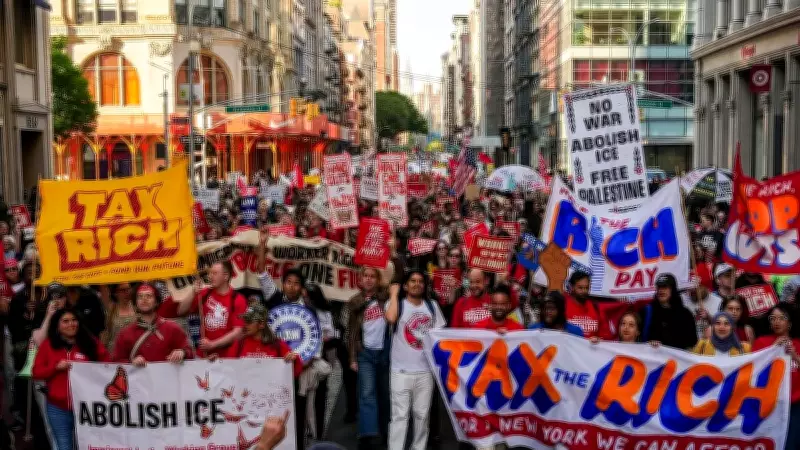
In the United States, May Day events were particularly poignant, as activists drew attention to the plight of workers in conflict zones. Speakers at rallies in New York and Washington D.C. called for stronger labor protections and an end to military interventions abroad. The demonstrations also addressed issues such as income inequality, climate change, and the erosion of workers' rights, all of which are exacerbated by global conflicts.
The Intersection of Labor and War
This year's May Day underscored the deep connection between labor movements and anti-war activism. Many participants argued that war diverts public funds from essential services like healthcare, education, and infrastructure, directly harming workers. Others pointed out that armed conflicts often lead to the exploitation of migrant workers, the displacement of communities, and the violation of labor laws in war-torn regions.
In addition to the large-scale protests, smaller grassroots gatherings took place in neighborhoods and workplaces, where workers shared stories of how war has affected their lives. These intimate events fostered a sense of solidarity and collective action, reminding participants that the fight for workers' rights cannot be separated from the quest for global peace.
Looking Ahead
As May Day 2026 comes to a close, activists are determined to keep the momentum alive. The convergence of labor and anti-war movements signals a growing awareness that true social justice requires an end to conflict. With plans for future actions and campaigns, workers around the world are committed to building a more equitable and peaceful future.
The demonstrations also served as a reminder of the resilience of the labor movement, even in the face of adversity. As one activist in London put it, "May Day is not just a celebration; it is a call to action. We will continue to fight for our rights and for a world without war."






