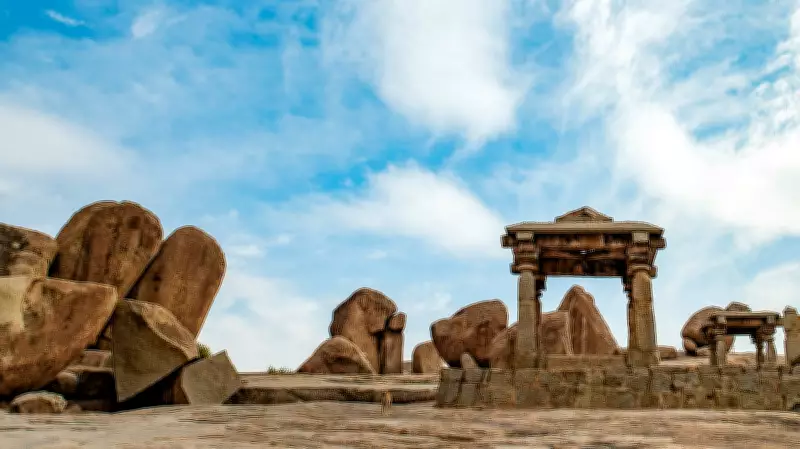
In a historic move, Karnataka has completed a comprehensive survey of 50,000 antiquities, marking the first such large-scale documentation in over a century. The survey, conducted by the Department of Archaeology, Museums, and Heritage, aims to catalog and preserve the state's rich cultural heritage.
Scope of the Survey
The survey covered a wide range of antiquities, including ancient temples, inscriptions, sculptures, coins, manuscripts, and other artifacts. It spanned across all districts of Karnataka, with special focus on regions known for historical significance such as Hampi, Badami, and Halebidu.
Methodology and Challenges
The team used modern technology like GPS mapping and photography alongside traditional documentation methods. Challenges included inaccessible terrain, lack of prior records, and the need for expert validation. Despite these hurdles, the survey was completed within two years.

Significance of the Survey
This is the first such survey since the early 20th century, when the British conducted a similar exercise. The new documentation will help in better preservation, prevent theft, and aid in research. It also provides a digital database for future reference.
Future Plans
The department plans to publish a detailed report and create an online portal for public access. Additionally, steps are being taken to protect the most vulnerable sites and artifacts. This initiative is expected to boost tourism and academic interest in Karnataka's heritage.
Chief Minister Basavaraj Bommai praised the effort, stating that it reflects the state's commitment to preserving its cultural legacy. The survey has been welcomed by historians and archaeologists across the country.