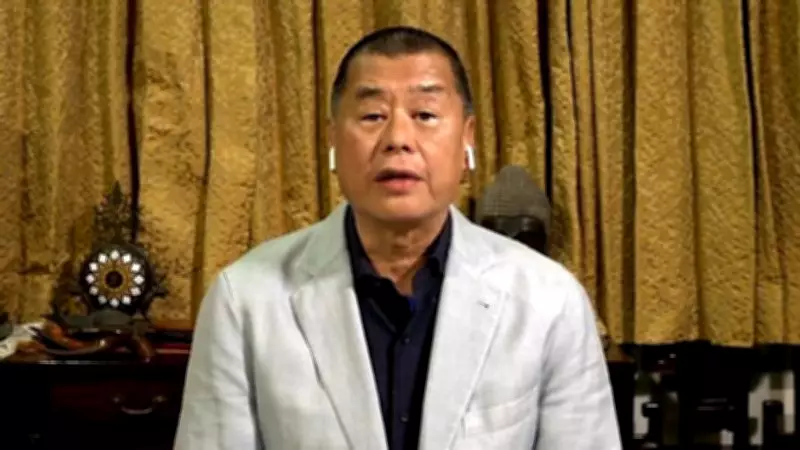
Hong Kong Ex-Media Mogul Jimmy Lai Will Not Appeal National Security Conviction, Legal Team Confirms
In a significant development, Jimmy Lai, the former media mogul from Hong Kong, has chosen not to appeal his conviction under the national security law, according to an official statement from his legal representatives. This decision marks a pivotal moment in the high-profile case that has drawn international attention and scrutiny.
Background of the Case and Conviction Details
Jimmy Lai, the founder of the now-defunct Apple Daily newspaper, was convicted on charges related to collusion with foreign forces, a serious offense under Hong Kong's national security legislation. The law, which was implemented in 2020, aims to safeguard national security and has been a subject of controversy and debate globally. Lai's sentencing followed a lengthy legal process, during which he faced allegations of engaging in activities deemed threatening to China's sovereignty.
The legal team emphasized that this choice was made after careful consideration of all available legal avenues and the broader implications for Lai and his family. They noted that the decision does not imply an admission of guilt but rather a strategic move given the current legal and political landscape in Hong Kong.

Implications for Media Freedom and Legal Precedents
This case has raised concerns about media freedom and the application of the national security law in Hong Kong. Critics argue that the legislation could be used to suppress dissent and limit press freedoms, while supporters maintain it is necessary for maintaining stability and security. Lai's conviction and his subsequent decision not to appeal may set a precedent for future cases involving similar charges.
The situation underscores the complex interplay between law, politics, and media in Hong Kong, especially in the post-2020 era. Observers are closely watching how this development might influence other activists and journalists in the region, potentially affecting their willingness to challenge the authorities.
International Reactions and Broader Context
The case has garnered significant international attention, with various governments and human rights organizations expressing concern over the implications for civil liberties in Hong Kong. Some have called for greater transparency and adherence to international legal standards, while others have defended China's right to enforce its laws to protect national interests.
- The decision not to appeal may reflect the challenging legal environment in Hong Kong under the national security framework.
- It highlights the ongoing tensions between Hong Kong's semi-autonomous status and China's overarching authority.
- This development could impact future legal strategies for individuals facing similar charges in the region.
In summary, Jimmy Lai's choice to forgo an appeal adds another layer to the evolving narrative of Hong Kong's legal and political dynamics, with potential long-term effects on media, activism, and governance in the city.