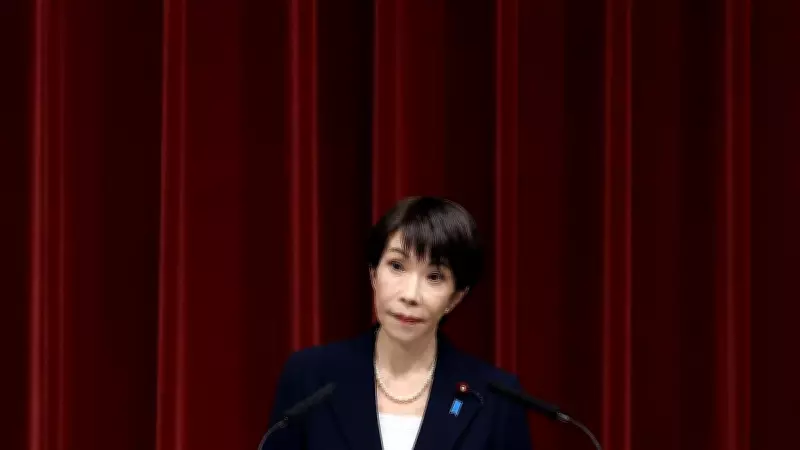
Japan has recently eased its arms export rules, a significant shift from its long-standing pacifist stance. The new regulations allow Tokyo to export lethal weapons to other countries, marking a departure from the post-World War II policy that restricted arms sales. This change has sparked debates about Japan's evolving defense posture and its implications for regional stability.
Details of the New Rules
The revised guidelines permit the export of weapons and military technology to nations that Japan deems friendly. Previously, exports were limited to non-lethal equipment and only for humanitarian or peacekeeping purposes. Now, Tokyo can sell fighter jets, missiles, and other advanced weaponry. The move aligns Japan with other major arms-exporting countries and reflects its growing defense ambitions.
Reasons Behind the Shift
Japan's decision is driven by several factors. First, the country faces rising threats from China and North Korea, prompting a need to strengthen its military capabilities and alliances. Second, Japan aims to boost its domestic defense industry by increasing exports, which can lower production costs and foster technological innovation. Third, the United States has encouraged Japan to take a more active role in regional security, including arms sales to mutual allies.

Impact on Pacifist Identity
Japan's pacifist constitution, Article 9, renounces war and prohibits maintaining armed forces. However, the government has reinterpreted the constitution to allow self-defense forces and limited military action. The new arms export rules further blur the lines, leading to concerns about Japan sliding away from its pacifist ideals. Critics argue that this could escalate regional arms races and undermine trust among Asian neighbors.
Regional Reactions
China and South Korea have expressed unease over Japan's policy shift. Beijing views it as a move towards militarization, while Seoul worries about historical tensions. Meanwhile, the United States and other allies have welcomed the change, seeing it as a step towards burden-sharing in regional defense. The long-term implications will depend on how Japan implements the new rules and whether it maintains strict oversight to prevent misuse.
Conclusion
Japan's easing of arms export rules represents a notable departure from its pacifist tradition. While driven by security and economic considerations, the move has sparked debate about its impact on regional stability and Japan's identity. As Tokyo navigates this new path, the world watches closely to see if it can balance its defense needs with its commitment to peace.