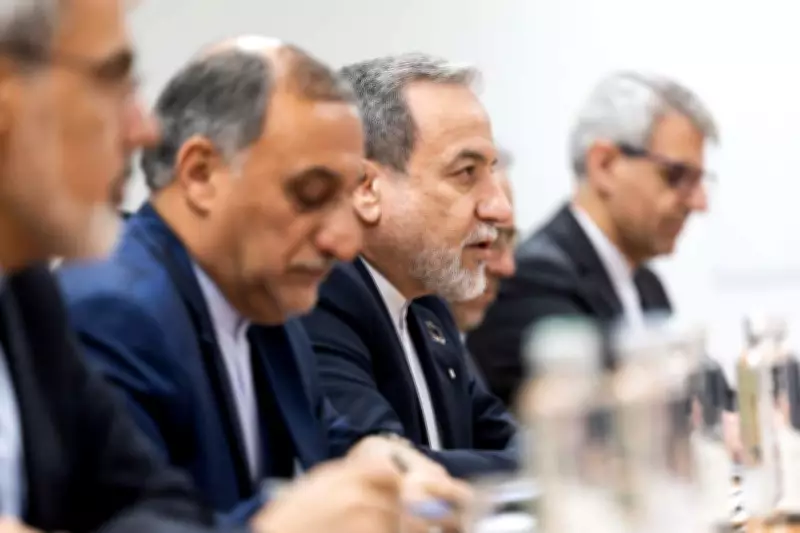
An Iranian delegation led by Foreign Minister Abbas Araghchi has arrived in Pakistan for crucial talks regarding a potential ceasefire between Iran and the United States. The visit comes amid heightened tensions in the Middle East and international efforts to de-escalate the situation.
Diplomatic Mission
The Iranian delegation, headed by Foreign Minister Abbas Araghchi, landed in Islamabad on Thursday. The primary objective of the visit is to hold discussions with Pakistani officials on the prospects of a US-Iran ceasefire. This diplomatic move is seen as part of broader efforts to reduce hostilities in the region.
Background of Tensions
Relations between Iran and the United States have been strained in recent months, with both sides engaging in aggressive rhetoric and military posturing. The situation escalated after a series of incidents in the Persian Gulf, leading to fears of a full-scale conflict. Pakistan, which shares a border with Iran, has offered to mediate between the two nations.

Pakistan has historically maintained good relations with both Iran and the United States, making it a suitable mediator. The country has previously played a role in facilitating dialogue between regional rivals. The visit by the Iranian delegation is expected to explore possibilities for a negotiated settlement.
Key Discussions
During the visit, Abbas Araghchi is scheduled to meet with Pakistan's Foreign Minister and other senior officials. The talks are expected to cover a range of issues, including the cessation of hostilities, the withdrawal of military forces, and the establishment of a framework for long-term peace. Both sides are likely to discuss the role of international organizations in monitoring any potential ceasefire agreement.
The Iranian delegation's visit to Pakistan is part of a larger diplomatic tour aimed at garnering support for Iran's position. Earlier, the delegation visited China and Russia to discuss the crisis. The outcome of these talks could have significant implications for regional stability.
International Reactions
The international community has welcomed the diplomatic efforts. The United Nations has called for restraint and dialogue between the parties. The US has not officially commented on the talks but has indicated a willingness to engage in diplomacy under certain conditions. Analysts believe that a ceasefire could pave the way for broader negotiations on Iran's nuclear program and regional security.
The visit also highlights Pakistan's growing role as a mediator in regional conflicts. The country has been actively involved in peace efforts in Afghanistan and has offered to facilitate dialogue between Saudi Arabia and Iran. The success of these talks could enhance Pakistan's diplomatic standing.
Future Prospects
The talks are expected to continue over the next few days. While no immediate breakthrough is anticipated, the mere fact that direct discussions are taking place is seen as a positive step. Both sides have expressed a desire to avoid war, and the mediation efforts by Pakistan could provide a path to de-escalation.
The situation remains fluid, and the international community will be closely watching the developments. A successful ceasefire could reduce the risk of a wider conflict in the Middle East and bring stability to the region.