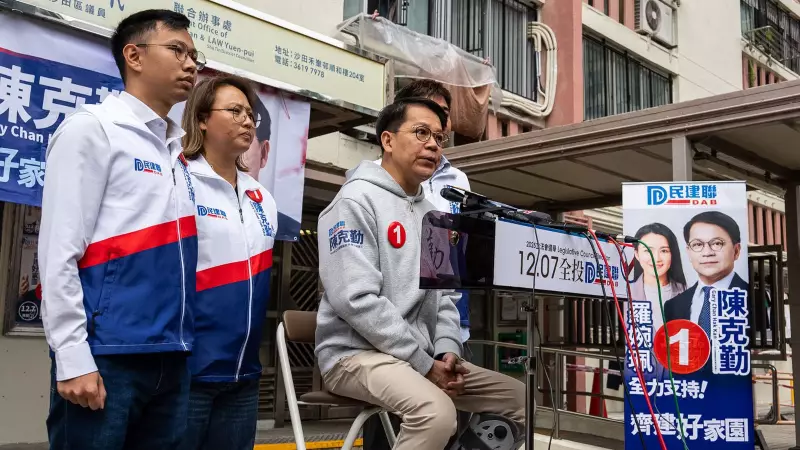
Hong Kong's first district council election under a revamped political system concluded with a turnout that defied widespread expectations of a significant drop. The poll, held on Sunday, December 10, recorded a 27.54% voter participation rate, a figure that surpassed many predictions made in the shadow of a tragic fire that had stirred public anger just days before.
A Vote Held Under a Cloud of Tragedy
The election took place in a somber atmosphere following a devastating fire at New Lucky House in Jordan on Friday, December 8. The blaze claimed five lives and left over 40 people injured, triggering public outcry over housing and safety conditions for the city's underprivileged. Many had anticipated that the grief and frustration over the incident would further depress voter turnout, as the tragedy dominated public discourse in the final hours before the polls opened.
However, the final turnout of 27.54%, representing nearly 1.2 million voters, was higher than the low figures forecast by some analysts and political observers. This election was the first since Beijing overhauled Hong Kong's electoral rules to ensure only "patriots" could hold office, a move that drastically reduced the number of directly elected seats and introduced a new system of appointment and indirect election.

The New Political Landscape and Voter Sentiment
Under the new rules, only 88 out of 470 district council seats were open for direct election by the public. The remaining seats were filled through appointments and votes by government-picked committees. This restructuring effectively sidelined the pro-democracy opposition, which had previously dominated these councils. The government framed the election as a step towards "good governance" and stability after the prolonged protests of 2019.
Despite the lowered stakes, the turnout became a key metric for observers gauging public engagement. The 27.54% figure stands in stark contrast to the record 71% turnout in the last fully democratic district council election in 2019. Officials, including Chief Executive John Lee, hailed the participation as a success, emphasizing the "high-quality" voters who showed up to support the new system.
Analysts Weigh In on the Surprising Numbers
Political analysts offered varied interpretations of the turnout. Some suggested that the higher-than-expected number could reflect a segment of the population heeding government calls to vote, or a "silent majority" expressing support for the post-2019 order. Others posited that the anger from the Jordan fire might have motivated some residents to vote as a form of civic expression, even within the constrained political framework.
The election results solidified control by pro-establishment candidates. The focus for the new councils will now shift to hyper-local issues like garbage collection and public facilities, as their former role as platforms for broader political debate has been largely curtailed.
The Hong Kong government had mounted a massive campaign to encourage voting, featuring celebrities and widespread messaging. The final turnout, while modest, allows authorities to claim a degree of public mandate for the new political model, even as the city continues to navigate the aftermath of tragedy and a fundamentally altered political environment.