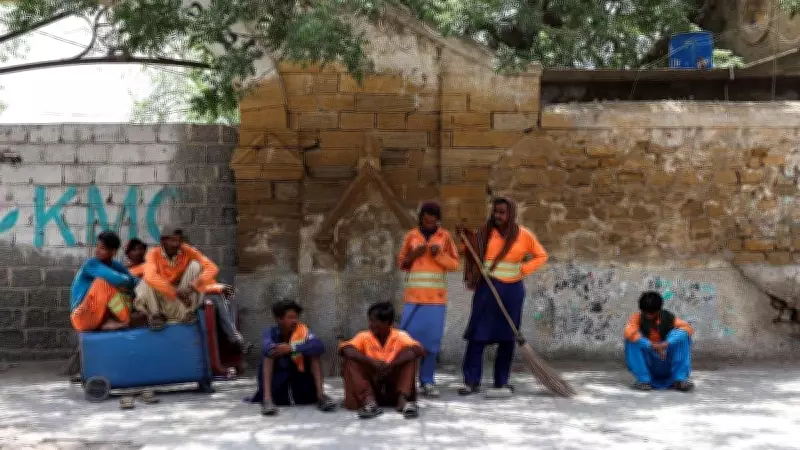
A severe heatwave sweeping through Pakistan's largest city, Karachi, has claimed at least 10 lives over the past few days, according to local officials and hospital reports. The scorching temperatures, which have exceeded 40 degrees Celsius (104 degrees Fahrenheit), have overwhelmed the city's healthcare facilities and prompted authorities to issue urgent warnings to residents.
Details of the Heatwave
The Pakistan Meteorological Department reported that temperatures in Karachi touched 42 degrees Celsius on Tuesday, with the heat index making it feel even hotter. The extreme weather conditions are expected to persist for the next few days, with no immediate relief in sight. The city's Edhi Foundation, a major ambulance service, confirmed that its teams have responded to numerous heatstroke cases, with 10 fatalities recorded so far.
Impact on Residents and Infrastructure
The heatwave has severely affected daily life in Karachi, a metropolis of over 20 million people. Many residents have been forced to stay indoors, while those without access to air conditioning or coolers are particularly vulnerable. The city has also faced power outages, further exacerbating the situation as fans and air conditioners become useless. Hospitals have reported a surge in patients suffering from heatstroke, dehydration, and related illnesses. The Jinnah Postgraduate Medical Centre and other major hospitals have set up special heatstroke clinics to handle the influx.

Government Response and Precautions
The Sindh government has declared a health emergency in Karachi and directed all public hospitals to remain on high alert. Officials are urging citizens to stay hydrated, avoid going out during peak heat hours, and wear light clothing. The commissioner of Karachi has also instructed the civic bodies to ensure an uninterrupted water supply and set up cooling centers in public places. However, critics argue that the government's response has been slow and inadequate, given the scale of the crisis.
Long-term Concerns and Climate Change
This heatwave is part of a broader trend of extreme weather events in South Asia, which scientists link to climate change. Pakistan, in particular, is highly vulnerable to rising temperatures, with Karachi experiencing increasingly severe heatwaves in recent years. The 2015 heatwave in the city killed over 1,200 people, highlighting the urgent need for better urban planning, green spaces, and public awareness campaigns to mitigate the impact of future heat events.
As the city grapples with this latest crisis, the focus remains on saving lives and ensuring that vulnerable populations, including the elderly, children, and those living in informal settlements, receive the necessary support. The coming days will be critical as authorities monitor the situation and implement measures to protect residents from the relentless heat.