World Asthma Day 2026: The Power of Pranayama
World Asthma Day 2026, observed on May 5, emphasizes the importance of breathing exercises in managing asthma. Pranayama, an ancient yogic practice, offers significant benefits for lung health. With asthma affecting millions worldwide, incorporating these techniques can help reduce symptoms and improve quality of life.
Understanding Asthma
Asthma is a chronic respiratory condition characterized by inflammation and narrowing of the airways, leading to wheezing, shortness of breath, chest tightness, and coughing. While medications are essential, complementary practices like pranayama can enhance lung function and reduce the frequency of attacks.
Key Pranayama Techniques for Asthma
Anulom Vilom (Alternate Nostril Breathing)
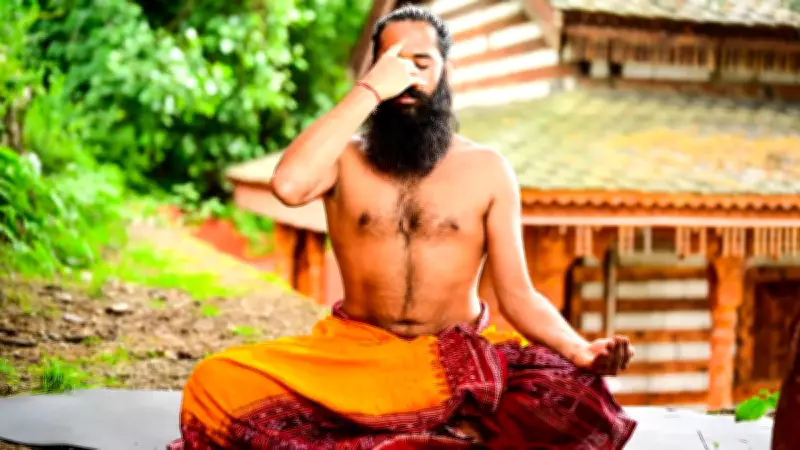
This technique involves breathing through one nostril at a time, which helps balance the nervous system and improve lung capacity. To practice: sit comfortably, close your right nostril with your thumb, inhale through the left nostril, then close the left nostril with your ring finger and exhale through the right. Repeat for 5-10 minutes daily.

Bhastrika (Bellows Breath)
Bhastrika involves forceful inhalations and exhalations, which can strengthen the diaphragm and increase oxygen supply. However, those with severe asthma should practice cautiously and under guidance.
Kapalbhati (Skull Shining Breath)
This is a rapid, rhythmic breathing exercise focusing on forceful exhalations. It helps clear the respiratory passages and improve lung elasticity. Start with 20 breaths per session and gradually increase.
Benefits of Breathing Exercises for Asthma
- Improved lung function: Regular practice enhances vital capacity and oxygen exchange.
- Reduced stress: Pranayama calms the mind, reducing stress-induced asthma triggers.
- Better control over breath: Techniques teach you to manage breathlessness during an attack.
- Strengthened respiratory muscles: Exercises like bhastrika tone the diaphragm and intercostal muscles.
Precautions and Tips
Always consult your doctor before starting any new exercise routine, especially if you have severe asthma. Practice in a well-ventilated area, and stop immediately if you feel dizzy or uncomfortable. Consistency is key—aim for daily practice, even if only for a few minutes.
Conclusion
On World Asthma Day 2026, embrace the healing power of pranayama. These breathing exercises, when combined with medical treatment, can lead to better asthma management and a healthier life. Start slowly, listen to your body, and breathe your way to wellness.