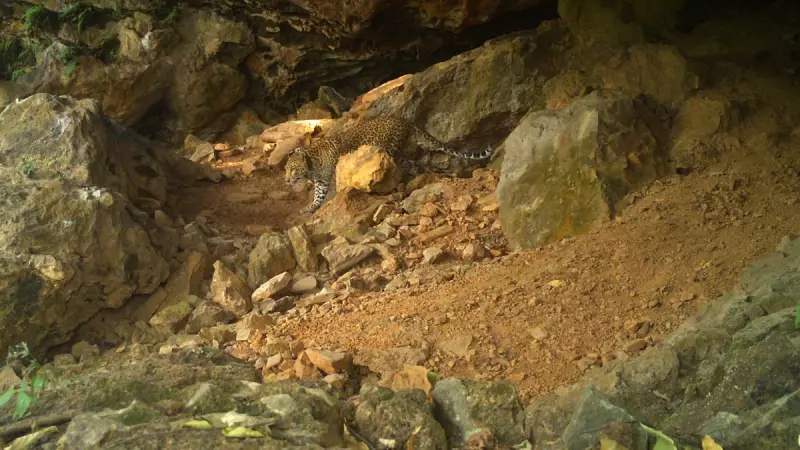
In a significant development for urban wildlife management, a leopard captured from the suburban areas of Mumbai is now under high-tech surveillance. The animal is being closely tracked using a combination of GPS technology and radio signals, a collaborative effort between the state Forest Department and a research team from a non-governmental organization (NGO).
Modern Technology for Wildlife Management
The initiative, reported on January 4, 2026, marks a progressive step in handling human-wildlife conflict in one of India's most populous metropolitan regions. The primary goal is to monitor the leopard's post-release movements to ensure it does not stray back into heavily populated human habitats, thereby preventing potential future conflicts.
This technological intervention serves a dual purpose. Firstly, it provides real-time data on the animal's location and behavior, which is crucial for its safety and that of residents. Secondly, the project is an invaluable training ground. Ground staff from the Forest Department are gaining hands-on experience in modern wildlife monitoring methods through this live case study, enhancing their skills for future scenarios.
Collaborative Effort for Conservation
The capture and subsequent tracking operation underscore a growing trend of employing scientific methods in conservation. The involvement of the NGO's research team brings specialized expertise in animal behavior and telemetry to the table. By merging departmental authority with specialized research knowledge, the authorities aim to create a more effective and informed protocol for dealing with large carnivores in urban fringes.
The use of GPS and radio collars is not just about tracking; it's about understanding. The data collected will help officials answer critical questions:
- What are the leopard's movement patterns?
- What is its preferred habitat within the available green corridors?
- How does it interact with other wildlife and human infrastructure?
This information is vital for formulating long-term strategies for coexistence and for making informed decisions about wildlife corridors and habitat protection in and around Mumbai. The successful implementation of this project could set a precedent for other Indian cities facing similar challenges with wildlife.