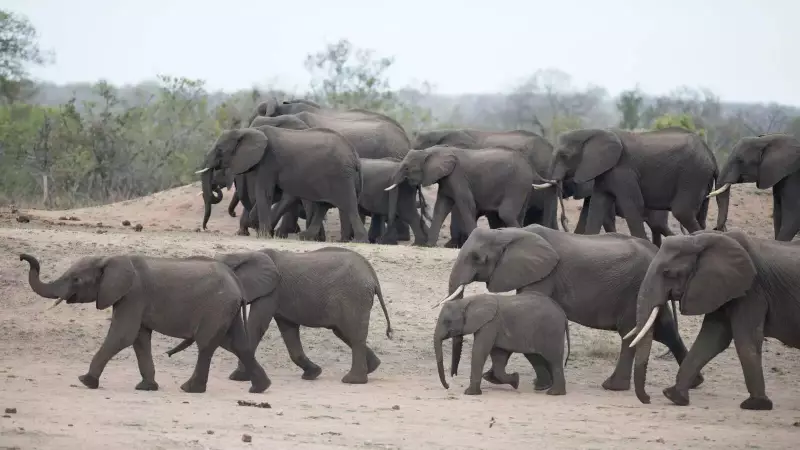
The serene landscapes of Jharkhand's Ramgarh district have turned into a zone of fear and tragedy as rampaging elephant herds claimed two more lives on Friday. This grim development has pushed the death toll from such encounters to six within a devastating 72-hour period, highlighting a severe escalation in human-elephant conflict in the region.
A Fatal Morning in the Fog
The latest victims were identified as Loknath Munda (35) from Sugiya village and Kajal Devi (32), a brick kiln worker from Kundru Saraiya village who was originally from Nawada in Bihar. In two separate incidents occurring roughly 10 kilometers apart, both individuals were attacked and killed on the spot by elephant herds.
Officials reported that heavy morning fog played a crucial role in the tragedies, obscuring the approach of the massive animals. Loknath Munda had ventured out from his home when he crossed paths with the herd. Similarly, Kajal Devi was out in the open for her morning routine when she was fatally attacked.

Retaliation and Roaming Herds: The Official Explanation
Forest department authorities have pointed towards retaliatory behavior as a key trigger for the elephants' unprecedented aggression. According to an official who spoke on condition of anonymity, the herd was previously attacked by local villagers. "A few people attacked the herd with bows and arrows. One of the elephants sustained injuries and turned violent due to fear and pain," the official stated, adding that the specific injured elephant has not yet been identified.
The elephants are part of a larger group of 42 animals that has splintered into smaller clusters. Ramgarh divisional forest officer Nitish Kumar explained that these groups are now roaming within Ramgarh and parts of neighboring Bokaro district. The administration has issued a detailed alert, noting elephant sightings in multiple villages:
- Three elephants in Chattar-Mandu near the district headquarters.
- Seven in Sirka.
- Four each in Sugiya and Topa.
- Eleven in Ukharbera village.
- One in Gobardarha village.
These herds are operating within a 30-kilometer radius, making their movements highly unpredictable and dangerous for residents.
Broader Causes and Economic Disruption
Beyond the immediate trigger, officials cite deeper, systemic issues fueling the conflict. The shrinking of natural elephant habitats is forcing the animals to venture into human settlements in search of food and space. Compounding this problem are man-made interventions in other states. A forest official noted that trenches dug by the West Bengal government along traditional elephant corridors have disrupted their natural movement patterns, pushing them into new areas like Ramgarh.
The crisis has transcended personal tragedy to cause significant economic disruption. Rampaging elephants have brought life in rural Ramgarh to a standstill and have directly impacted industrial operations. Night shifts have been suspended at three major coal mines—Sarubera, Karma, and Topa—belonging to the Central Coalfields Limited (CCL) due to safety concerns. R K Sinha, general manager of the Kuju CCL project, confirmed the precautionary measure.
In response to the mounting threat, forest authorities have deployed four quick response teams with the mandate to chase the elephants away from populated zones. However, these efforts have so far been unable to prevent the rising death toll, underscoring the complexity and scale of the challenge.
The situation in Ramgarh remains tense, with authorities urging extreme caution and residents living in fear as the search for a lasting solution to the human-elephant conflict continues.