China's Dual Tactic: Military Pressure Shadows Political Engagement with Taiwan
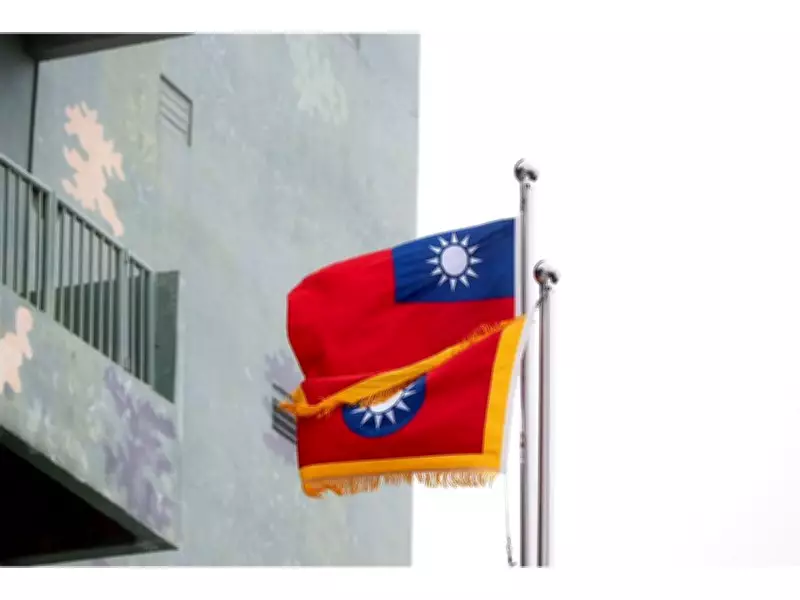
China is implementing a dual strategy toward Taiwan, combining military pressure with political engagement, a move that underscores Beijing's complex approach to cross-strait relations. This tactic involves heightened military activities near Taiwan while simultaneously pursuing diplomatic outreach, raising concerns about regional stability and the potential for escalation.
Military Pressure Intensifies
In recent months, China has ramped up its military presence around Taiwan, conducting extensive drills and patrols in the Taiwan Strait and surrounding waters. These actions include frequent incursions by fighter jets and naval vessels, which Beijing describes as routine exercises to safeguard national sovereignty. However, analysts view this as a clear signal of China's readiness to use force if necessary, aiming to deter any moves toward Taiwanese independence.
The military pressure serves multiple purposes:

- It demonstrates China's capability and resolve to assert its territorial claims over Taiwan.
- It aims to intimidate Taiwan's government and its supporters, particularly the United States, which has increased its military support for the island.
- It reinforces Beijing's narrative that Taiwan is an inalienable part of China, despite Taiwan's de facto independence.
Political Engagement Continues
Parallel to the military buildup, China has maintained a facade of political engagement with Taiwan. This includes offers for dialogue and cooperation on economic and cultural exchanges, framed as efforts to promote peaceful reunification. Beijing has reiterated its willingness to engage with Taiwanese authorities under the "One China" principle, which asserts that there is only one China and Taiwan is part of it.
This political outreach is often seen as a softer counterpoint to the military maneuvers, designed to appeal to Taiwanese citizens and businesses while isolating pro-independence factions. China has emphasized benefits such as trade agreements and investment opportunities, hoping to foster closer ties that could eventually lead to reunification without conflict.
Regional and Global Implications
The dual tactic has significant implications for regional security and international relations. Neighboring countries, including Japan and the Philippines, are closely monitoring the situation, as increased military activity in the area could disrupt maritime trade routes and escalate into broader conflicts. The United States, a key ally of Taiwan, has responded by strengthening its military presence in the Indo-Pacific and reaffirming its commitment to Taiwan's defense under the Taiwan Relations Act.
Key factors driving China's strategy include:
- Domestic political pressures to maintain a strong stance on national unity.
- Geopolitical competition with the United States, where Taiwan is a focal point.
- Economic considerations, as Taiwan is a major hub for semiconductor manufacturing, crucial for global supply chains.
Experts warn that this balancing act is precarious. While military pressure may deter immediate threats, it risks provoking a backlash from Taiwan and its allies, potentially leading to unintended confrontations. Conversely, political engagement alone has failed to sway Taiwanese public opinion significantly, with many residents favoring the status quo of de facto independence.
Future Outlook
Looking ahead, China's dual tactic is likely to persist, with military pressure and political engagement operating in tandem. Beijing may adjust the intensity of each component based on developments, such as changes in Taiwanese leadership or shifts in U.S. policy. The ultimate goal remains reunification, but the path is fraught with challenges, including Taiwan's growing sense of identity and international support for its autonomy.
In conclusion, China's approach to Taiwan reflects a calculated blend of coercion and persuasion, aimed at achieving its strategic objectives while managing risks. As tensions simmer, the world watches closely, aware that any misstep could have far-reaching consequences for peace and stability in the Asia-Pacific region.