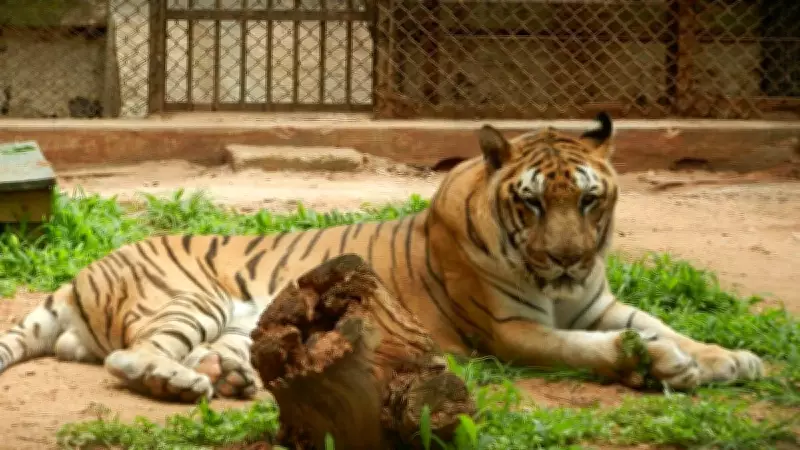
Bengal Tiger Pruthvi Succumbs to Illness at Mysuru Zoo in Karnataka
The Mysuru Zoo in Karnataka is mourning the loss of Pruthvi, a majestic Bengal tiger, who died after battling a prolonged illness. Zoo authorities confirmed the unfortunate demise, which has drawn attention to the challenges in wildlife care and conservation efforts in the region.
Details of Pruthvi's Health Condition and Demise
Pruthvi, a resident of the Mysuru Zoo, had been under medical supervision for an extended period due to a serious health issue. According to zoo officials, the tiger's condition deteriorated despite intensive veterinary care and treatment. The exact nature of the illness has not been disclosed publicly, but it is reported to have been a chronic ailment that affected the animal's overall well-being.
The zoo staff worked tirelessly to provide Pruthvi with the best possible care, including specialized diets, medications, and regular health monitoring. However, the tiger's health continued to decline, leading to its eventual death. This incident underscores the difficulties faced in managing the health of large carnivores in captivity, where factors like age, genetics, and environmental stressors can play significant roles.

Conservation and Zoo Management Implications
The death of Pruthvi highlights the broader issues in wildlife conservation and zoo management in India. Bengal tigers are an endangered species, and their preservation is critical for biodiversity. Zoos like Mysuru play a vital role in education, research, and breeding programs aimed at protecting these magnificent animals.
However, such losses serve as a reminder of the need for enhanced veterinary facilities and proactive health measures in zoological parks. Experts suggest that regular health screenings, improved habitat conditions, and collaboration with wildlife conservation organizations could help mitigate similar incidents in the future.- Pruthvi was a key attraction at Mysuru Zoo, drawing visitors and raising awareness about tiger conservation.
- The zoo has a history of successful breeding and rehabilitation programs for various species, including big cats.
- Authorities are reviewing their animal care protocols to prevent future health-related deaths.
Public and Environmental Impact
The passing of Pruthvi has elicited sadness among zoo visitors and wildlife enthusiasts in Karnataka and beyond. Social media platforms have seen an outpouring of condolences, with many expressing concern over the welfare of animals in captivity. This event also sparks discussions on balancing conservation goals with ethical animal care practices.
From an environmental perspective, the loss of a Bengal tiger in a controlled setting like a zoo does not directly impact wild populations, but it does affect genetic diversity and educational outreach efforts. Conservationists emphasize the importance of supporting both in-situ and ex-situ conservation strategies to ensure the survival of endangered species.
- Zoo authorities are conducting a post-mortem examination to determine the precise cause of death.
- Findings from this analysis may inform future health management plans for other animals at the facility.
- The public is encouraged to continue supporting wildlife conservation initiatives through visits and donations.
In conclusion, the death of Bengal tiger Pruthvi at Mysuru Zoo is a somber event that brings to light the complexities of animal healthcare in captivity. While the zoo community grieves this loss, it also reinforces the commitment to improving conservation practices for the benefit of all wildlife species.