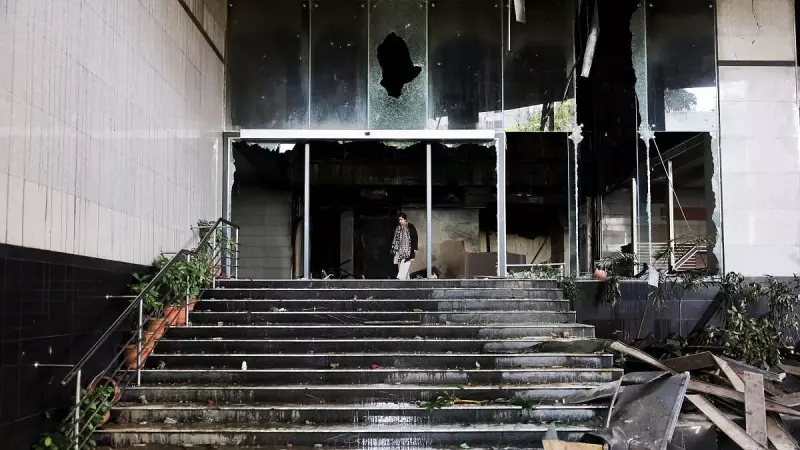
In a chilling midnight assault, violent protesters targeted and set ablaze the offices of prominent newspapers in Bangladesh, leading to a dramatic rescue operation for over 25 trapped journalists. The incident, which unfolded in the early hours, has sent shockwaves through the media community and raised serious concerns about the safety of the press.
Midnight Assault on Media Houses
The attack occurred around midnight on 19 December 2025. A mob of protesters vandalised and subsequently set fire to the buildings housing both a leading Bengali-language daily and a major English-language daily newspaper. The assailants surrounded the offices, trapping journalists and staff inside as the flames took hold.
One journalist, facing imminent danger from the smoke and fire, turned to social media to send out a desperate plea for help. The post, which read "Can’t breathe anymore, you are killing me," highlighted the terrifying situation unfolding inside the burning buildings. This digital SOS underscored the immediate threat to life faced by the media personnel.
Dramatic Rescue of Trapped Scribes
Emergency services, alerted to the crisis, launched a swift operation. Firefighters and rescue personnel battled the blaze and managed to evacuate all trapped individuals. More than 25 journalists and staff members were successfully rescued from the burning offices. While the full extent of injuries is being assessed, the primary focus remains on the miraculous escape from what could have been a catastrophic tragedy.
The targeted nature of the attack, focusing specifically on media institutions, points to a deliberate attempt to silence the press. The destruction of newspaper offices is a direct attack on the infrastructure of free speech and independent journalism.
Implications for Press Freedom and Regional Stability
This violent episode marks a severe escalation in the tensions within Bangladesh. The act of setting media houses on fire is not merely an act of vandalism but a symbolic assault on the fourth pillar of democracy. It reflects a dangerous environment where dissent is being met with extreme violence against those reporting on it.
The international community, including media watchdogs and human rights organisations, is likely to condemn the attack vehemently. For neighbouring countries like India, which shares a close cultural and geographical bond with Bangladesh, the stability of the region and the safety of journalists are matters of significant concern. This incident serves as a stark reminder of the perils journalists face in conflict zones and during civil unrest.
As investigations begin to identify the perpetrators, the Bangladeshi media fraternity is left to count the cost—both physical and psychological—of an attack designed to instill fear and curb the freedom of the press.