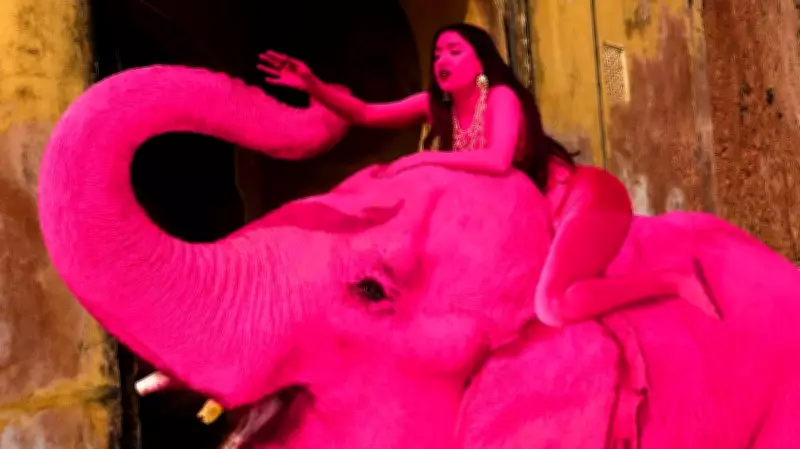
A recent investigation has unveiled the toxic reality behind the practice of painting wild animals, particularly elephants, for aesthetic or ceremonial purposes. This seemingly harmless activity can have severe consequences for the animals' health, specifically by disrupting their delicate skin microbiome.
Disruption of the Skin Microbiome
The skin of elephants hosts a complex community of microorganisms, including beneficial bacteria such as Leuconostoc mesenteroides. These microbes play a crucial role in maintaining skin health, protecting against pathogens, and aiding in various physiological processes. When paint is applied, it can strip away these essential bacteria, leading to an imbalance in the microbiome.
Loss of Beneficial Bacteria
Research indicates that painting an elephant's skin can cause a significant reduction in populations of beneficial bacteria like Leuconostoc mesenteroides. This loss can impair the skin's natural defense mechanisms, making the animal more susceptible to infections and skin diseases.

Health Risks for the Animals
The disruption of the microbiome is not the only concern. Many paints contain toxic chemicals, such as heavy metals and solvents, which can be absorbed through the skin. These substances can cause poisoning, allergic reactions, and long-term health issues. For wild animals, whose immune systems are not adapted to such exposures, the effects can be particularly devastating.
Ethical and Ecological Implications
Beyond individual health, the practice of painting wild animals raises ethical questions about human interference with nature. It can also have ecological repercussions, as sick animals may struggle to survive in the wild, affecting population dynamics and biodiversity.
Call for Awareness and Action
Conservationists and animal welfare organizations are urging the public to recognize the harm caused by painting wild animals. They advocate for stricter regulations and alternative, non-invasive ways to appreciate wildlife. Education and awareness campaigns are essential to discourage this practice and promote respect for the natural state of animals.
In conclusion, the act of painting wild animals, while often intended for decoration or celebration, poses serious risks to their health and well-being. Protecting the microbiome is crucial for their survival, and it is our responsibility to ensure that our interactions with wildlife do not cause unintended harm.