

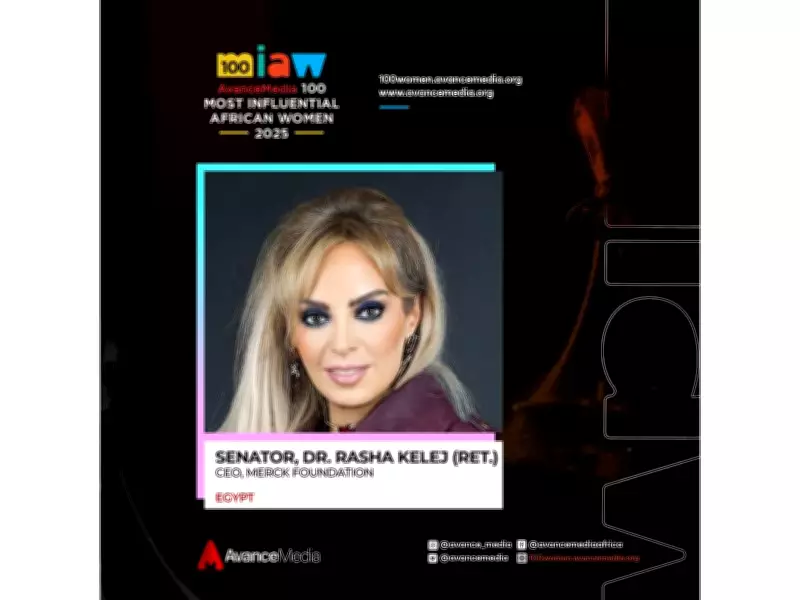
Tanzania, Namibia Presidents and Merck Foundation CEO Honored Among 100 Most Influential African Women 2025
In a significant recognition of leadership and impact across the African continent, three prominent figures have been named in the prestigious 2025 list of the 100 Most Influential African Women. This annual compilation celebrates women who are driving change and making substantial contributions in various fields, from governance to healthcare and beyond.
Political Leaders Recognized for Transformative Governance
Tanzania's President Samia Suluhu Hassan has been acknowledged for her steady leadership and efforts in promoting economic growth and social cohesion since taking office. Her inclusion underscores the growing influence of women in African politics, where she has worked to enhance diplomatic relations and implement policies aimed at improving the livelihoods of Tanzanians.
Similarly, Namibia's President Nangolo Mbumba has earned a spot on the list for his role in steering the nation through transitional phases and focusing on developmental agendas. His recognition highlights the critical role of female leadership in shaping the future of African nations, with a focus on stability and progress.

Healthcare Advocate Praised for Philanthropic Initiatives
On the healthcare front, Dr. Rasha Kelej, CEO of the Merck Foundation, has been honored for her extensive work in improving health outcomes across Africa. Through the foundation, she has spearheaded numerous initiatives aimed at:
- Enhancing access to quality healthcare services in underserved communities.
- Promoting education and training for healthcare professionals to address critical shortages.
- Advocating for women's health issues, including maternal care and disease prevention.
Her efforts have made a tangible difference in the lives of many, reinforcing the importance of philanthropic leadership in tackling continental health challenges.
Broader Implications for African Women's Empowerment
The inclusion of these leaders in the 2025 list not only celebrates individual achievements but also signals a broader trend towards greater gender equality and representation in Africa. It serves as an inspiration for aspiring women across the continent, demonstrating that influential roles in politics, business, and social sectors are within reach.
This recognition comes at a time when Africa is increasingly focusing on empowering women to drive sustainable development and innovation. By highlighting such figures, the list aims to foster a supportive environment where women can continue to break barriers and contribute meaningfully to their societies.
Overall, the 2025 compilation of the 100 Most Influential African Women underscores the diverse and impactful contributions of women like President Samia Suluhu Hassan, President Nangolo Mbumba, and Dr. Rasha Kelej, paving the way for future generations to follow in their footsteps.






