

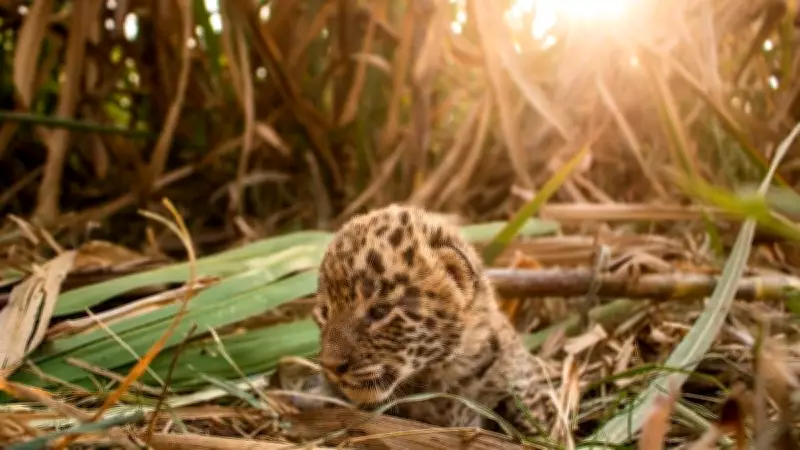
Pune's Manikdoh Leopard Rescue Centre (MLRC) has achieved a significant milestone by rescuing over 100 leopards and reuniting more than 112 cubs with their mothers since its establishment in 2018. This accomplishment highlights the centre's critical role in wildlife conservation in Maharashtra, which is home to an estimated 1,985 leopards, making it the second-largest leopard-bearing state in India.
Rescue Operations and Rehabilitation
The MLRC, operated by Wildlife SOS in collaboration with the Maharashtra Forest Department, specializes in rescuing leopards that venture into urban areas or fall into wells. The centre provides medical treatment, rehabilitation, and, whenever possible, reunites cubs with their mothers in the wild. Since 2018, the team has successfully reunited 112 cubs, ensuring their survival and reducing human-wildlife conflict.
Challenges and Successes
Rescuing leopards from urban environments poses unique challenges. The animals often suffer from injuries, stress, or dehydration. However, the dedicated team of veterinarians and wildlife experts at MLRC has developed effective protocols for safe capture, treatment, and release. The centre also conducts awareness programs to educate local communities about coexisting with leopards.

Key achievements of the MLRC include:
- Over 100 leopard rescues since 2018
- Reunification of 112 cubs with their mothers
- Reduction in human-leopard conflict incidents in Pune and surrounding areas
- Collaboration with local authorities for rapid response
Importance of Leopard Conservation
Leopards play a vital role in maintaining ecological balance. However, habitat loss and fragmentation have led to increased encounters with humans. The MLRC's efforts are crucial for protecting this vulnerable species while ensuring public safety. Wildlife SOS continues to advocate for sustainable urban planning and wildlife corridors to minimize conflicts.
The success of the MLRC serves as a model for other states facing similar challenges. With continued support, the centre aims to expand its operations and further contribute to leopard conservation in India.






