One Year Since AI-171 Crash: Inside Ahmedabad's Firefighters' Toughest Battle Amid Blaze and Smoke
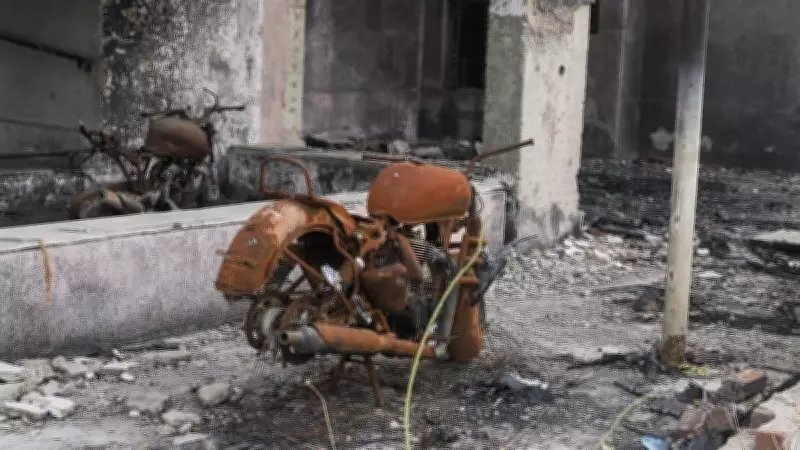
Crowds gathered in the area as Dongre's men fought their way through the inferno to search for survivors amid the risk of explosions from LPG cylinders and burning trees.
It has been one year since the tragic crash of Air India flight AI-171, and the memories of that day remain etched in the minds of Ahmedabad's firefighters. The incident, which occurred on June 12, 2025, tested the limits of the city's emergency services. Firefighters faced an unprecedented challenge as they battled intense flames, thick black smoke, and the constant threat of secondary explosions.
The Initial Response
Within minutes of the crash, fire brigade teams led by Chief Fire Officer Rajesh Dongre rushed to the site. The scene was chaotic: wreckage scattered across a wide area, fuel fires raging, and nearby residential colonies at risk. Dongre's team had to navigate through burning debris and toxic fumes to reach potential survivors.

Key Challenges Faced:
- Exploding LPG cylinders from nearby houses and vehicles
- Burning trees that spread the fire rapidly
- Limited access due to narrow lanes and crowd obstruction
- Risk of structural collapse from damaged buildings
Heroic Efforts Under Fire
Despite the dangers, firefighters worked tirelessly for hours. They used foam and water cannons to control the blaze while rescue teams searched for trapped individuals. Many firefighters suffered from smoke inhalation and minor burns but continued their duty. The operation involved over 200 personnel from the Ahmedabad Fire and Emergency Services, along with support from the National Disaster Response Force (NDRF) and local police.
"It was the toughest day of my career," said Dongre in a recent interview. "We had to make split-second decisions to save lives while ensuring our own safety. The heat was unbearable, and the smoke made it impossible to see more than a few feet ahead."
Aftermath and Lessons Learned
The crash claimed 112 lives and left dozens injured. In the aftermath, the fire department conducted a thorough review of its response. Improvements were made in equipment, training, and coordination with other agencies. The city also upgraded its disaster management protocols to handle similar emergencies in the future.
One year on, the bravery of Ahmedabad's firefighters is remembered as a beacon of hope in a tragedy. Their relentless efforts under extreme conditions saved many lives and prevented further catastrophe. The community continues to honor their sacrifice and dedication.
As we mark this somber anniversary, the lessons from AI-171 serve as a reminder of the risks faced by first responders and the importance of preparedness in the face of disaster.