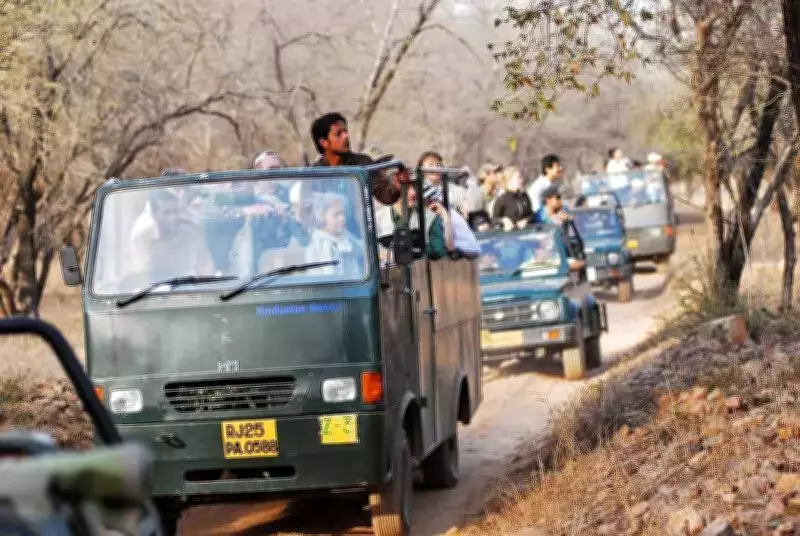
Rajasthan Implements Mobile Phone Ban in Ranthambhore Tiger Reserve Core Zones
In a significant move aimed at safeguarding wildlife, the Rajasthan forest administration has officially prohibited the use of mobile phones within the core tourism zones of the renowned Ranthambhore Tiger Reserve (RTR). This decisive action follows explicit directives from the Supreme Court of India, which mandated stricter measures to minimize human-induced disturbances in critical tiger habitats.
Scope and Enforcement of the Ban
The comprehensive ban applies to all individuals present within the designated core areas, including tourists, professional guides, naturalists, and safari vehicle drivers. Specifically, the prohibition is enforced across Zones 1 through 10, encompassing all established safari routes within the reserve. Divisional Forest Officer (Tourism) Sanjeev Sharma elaborated on the rationale behind this measure, stating, "The Supreme Court clearly held that the use of mobile phones within tourism zones of the core habitat of Tiger Reserves is not permitted. The order was issued to strictly implement these directions."
He further emphasized that any violations of this regulation will incur penal consequences under existing wildlife protection laws. To ensure effective implementation, the responsibility for monitoring and enforcing the ban has been formally assigned to the Grade A and Grade B guides operating within Ranthambhore.

Environmentalists Applaud the Decision
The introduction of this ban has been met with widespread approval from environmental conservationists and wildlife activists. They view it as an essential and timely intervention to curb disruptive behaviors that adversely affect the reserve's fauna.
Green activist Tapeshwar Singh Bhati voiced strong support for the initiative, highlighting recurring issues observed during safaris. He explained, "Several times, tourists are seen taking risky photographs by leaning out of vehicles. When a tiger is sighted at one location, people often call other gypsies, leading to crowding and disturbance. This ban is a crucial step towards maintaining the sanctity of the wildlife habitat."
Formal Notifications and Wider Implications
To guarantee strict adherence, formal notifications have been disseminated to all stakeholders involved in tourism activities around Ranthambhore. This includes:
- Tour operators and safari organizers
- Vehicle owners and drivers
- Hotel associations and accommodation providers
- Local guide communities
Simultaneously, officials at the Sariska Tiger Reserve (STR) are preparing to roll out a similar prohibition on mobile phone usage within their core tourism zones. A senior STR official confirmed, "The Supreme Court's instructions are clear. The order for Sariska will be released soon and enforced strictly, aligning with the national directive to protect our tiger reserves."
Calls for Extended Discipline Beyond Tiger Reserves
The discussion has also sparked calls for implementing comparable disciplinary measures in other wildlife areas. Wildlife enthusiast Jaideo Rathore, a frequent visitor to Jaipur's Jhalana Safari Reserve, underscored the necessity for such protocols even in non-tiger reserves. He expressed concern, noting, "Though it is not a tiger reserve, drivers and guides often surround animals in a similar manner, causing significant stress to the wildlife. Discipline should be enforced there too to ensure comprehensive conservation efforts."
This progressive step by the Rajasthan forest administration marks a pivotal shift towards more responsible and sustainable wildlife tourism, prioritizing animal welfare and habitat preservation over convenience, setting a precedent for other reserves across the country to follow.