

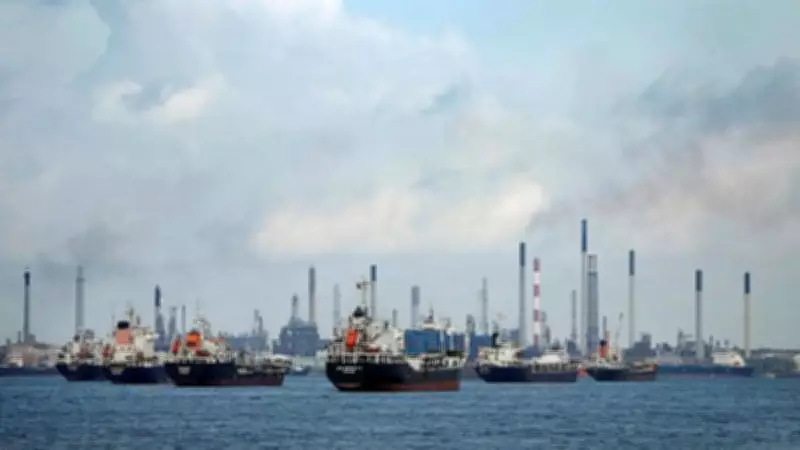
The Malacca Strait, a narrow stretch of water between the Malay Peninsula and the Indonesian island of Sumatra, has come into sharp focus as the Hormuz crisis intensifies. According to the U.S. Energy Information Administration, the Malacca Strait is the largest oil transit chokepoint in the world, surpassing even the Strait of Hormuz in terms of volume. This strategic waterway handles over 16 million barrels of oil per day, making it a critical artery for global energy supplies.
Why the Malacca Strait Matters
The strait serves as the primary route for oil shipments from the Middle East to East Asian economies, including China, Japan, and South Korea. Approximately 60% of all oil transported by sea passes through this chokepoint. Any disruption here could have severe consequences for global energy markets and economic stability.
Comparison with the Strait of Hormuz
While the Strait of Hormuz is often highlighted due to tensions with Iran, the Malacca Strait handles a larger volume of oil transit. The Hormuz crisis has redirected attention to the vulnerability of other chokepoints. The Malacca Strait is only 2.8 kilometers wide at its narrowest point, making it susceptible to piracy, collisions, and geopolitical conflicts.

Strategic Importance
Countries like China and India have increased their naval presence in the region to protect their energy interests. The strait is also a key route for liquefied natural gas shipments. The U.S. Energy Information Administration notes that the Malacca Strait is the only chokepoint that outpaces Hormuz in oil transit volume.
Potential Risks
- Piracy: The strait has a history of pirate attacks, though international patrols have reduced incidents.
- Geopolitical Tensions: Territorial disputes and naval build-ups could lead to blockades or conflicts.
- Navigation Hazards: Congestion and shallow waters increase the risk of accidents.
Global Impact
A closure of the Malacca Strait would force tankers to take longer routes via the Lombok Strait or the Sunda Strait, increasing shipping costs and oil prices. The global economy, heavily reliant on East Asian manufacturing, would face significant disruptions.
As the Hormuz crisis unfolds, the world is reminded of the fragility of these maritime chokepoints. The Malacca Strait, while less publicized, is arguably more critical to global energy security. Policymakers and industry leaders must work together to ensure its safety and open access.






