Dudhwa Tiger Reserve Authorities Seek IVRI Expertise to Uncover Cause of Vulture Deaths
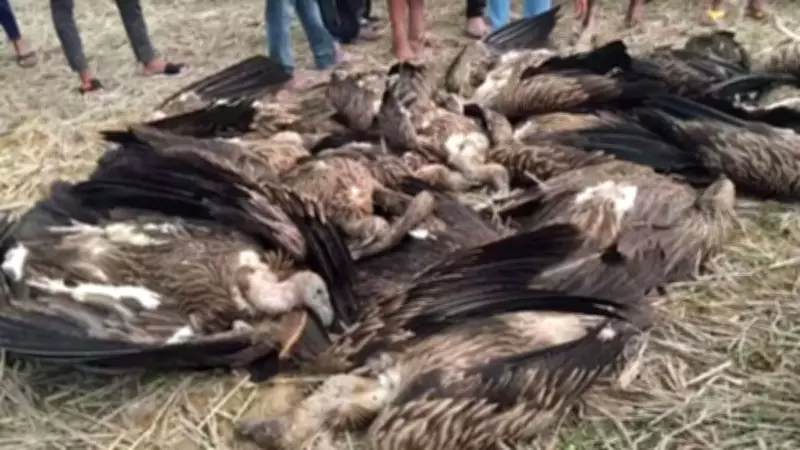
In a concerning development for wildlife conservation, authorities at the Dudhwa Tiger Reserve in Lakhimpur Kheri have enlisted the help of the Indian Veterinary Research Institute (IVRI) in Bareilly to investigate the mysterious death of 25 vultures. The carcasses of these protected birds, which fall under the critically endangered category as per the Wildlife Protection Act, were discovered in an agricultural field within the Bhira range of the reserve's buffer zone earlier this week.
Discovery and Immediate Response to the Incident
According to officials, the grim find was made on Tuesday in Semarai village, located under the Dudhwa buffer zone. Kirti Chaudhary, the deputy director of the Dudhwa buffer zone, confirmed that 25 vultures, predominantly believed to be of the Himalayan Griffon species, were found dead. In addition, five other vultures were discovered in an unconscious state in the same field. These birds received immediate medical attention and were subsequently released after being deemed fit to fly, showcasing a swift rescue effort by the forest department.
Chaudhary further revealed that carcasses of several dogs were also recovered from the field, albeit at a distance from the vultures. Initial suspicions point to the vultures having consumed these dog remains, which may have contained a toxic substance, leading to their demise. This theory underscores the potential risks posed by poisoned carcasses in wildlife habitats, a recurring threat to scavenger species like vultures.

Postmortem Findings and Ongoing Investigation
A panel of veterinary doctors, including Dr. Daya Shankar from Dudhwa, Dr. Ankur, and Dr. Rajendra Singh, conducted postmortems on 23 of the dead vultures. However, the examinations failed to identify the exact nature of the poison detected in the carcasses. Dr. Daya Shankar, a member of the panel, stated that prima facie evidence indicates the dog carcasses were contaminated with a poisonous substance, which the vultures ingested, resulting in their death.
To delve deeper into this environmental tragedy, the carcasses of two vultures, along with the viscera of the other 23, have been sent to IVRI in Bareilly for comprehensive analysis. This step was taken under the directives of Dr. H. Rajamohan, the field director and chief conservator of forest at Dudhwa Tiger Reserve. The institute's advanced forensic capabilities are expected to provide crucial insights into the toxic agent involved, aiding in future prevention strategies.
Implications for Wildlife Conservation and Next Steps
The death of these vultures highlights the vulnerabilities faced by critically endangered species in India's protected areas. Vultures play a vital role in ecosystems by scavenging and preventing the spread of diseases, making their protection paramount. Authorities are now focused on determining whether the poisoning was accidental or intentional, which could have legal ramifications under wildlife protection laws.
As the investigation progresses, forest officials are monitoring the area for any further incidents and educating local communities about the dangers of using poisons that can inadvertently harm wildlife. The collaboration with IVRI represents a critical effort to safeguard these majestic birds and ensure the ecological balance within the Dudhwa Tiger Reserve is maintained.