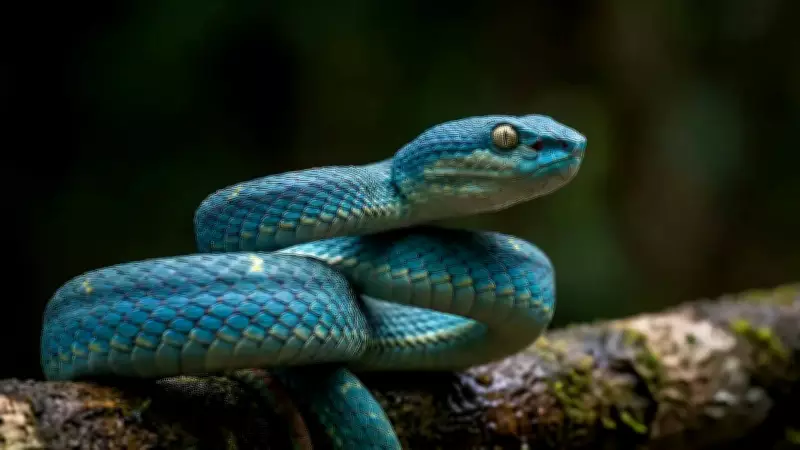
The dark and rugged limestone caves of western Cambodia are home to a hidden world of animals that scientists are still discovering. These caves have revealed many previously unknown species, including unique geckos, tiny snails, millipedes, and a mysterious pit viper.
What is really important to note is that many of these creatures are only found in one or two places, which makes them very vulnerable to threats from human activity.
Researchers went into 64 caves in the area and found a lot of new species. They looked in cracks and dark corners where animals have been living for a long time without being disturbed. By studying these caves, scientists like Pablo Sinovas and Dr. Lee Grismer found out that the isolation of these caves is what has allowed new species to develop. These discoveries are not just interesting to look at. They are also important because they show us how animals can adapt to their environments in unique ways.

Formation of the Caves
The caves are formed when water carves out the limestone, creating a maze of tunnels and cool, moist areas where small animals can thrive. Because the limestone hills are often separated by farms or roads, the animals that live in them have developed differently over time. This is how a gecko that looks familiar can become a new species. Each hill is like a laboratory where evolution is happening.
Fieldwork and Discoveries
To learn more about the animals that live in these caves, the researchers did a lot of fieldwork. They would explore the caves during the day to make sure it was safe and then use flashlights at night to observe the animals. This was a way to see the animals without disturbing them. They found many species, including micro-snails that are only found in certain caves.
Geckos are one of the common animals that live in these caves. The researchers found a species of gecko that has four different genetic branches even though it looks the same. They also found a species of slender gecko that lives on an isolated outcrop. These findings show that the hills are like islands, where animals can develop in isolation.
Camera Traps and Other Wildlife
The researchers also used camera traps to see what other animals live in the area. They took 200,000 pictures and found 59 different species, including peafowl, macaques, and pangolins. However, they also saw dogs, which can be a threat to the wildlife. Dogs can chase animals and introduce diseases into the caves.
Importance of Bats
Bats are very important to the ecosystem of the caves. Their guano provides nutrients that support the food web. The researchers used detectors to find out where the bats were living and found some very large colonies. However, they also warned that overhunting and the collection of guano can be a threat to the bats.
Threats and Conservation
The biggest threat to the caves and the animals that live in them is the demand for cement. Limestone hills are often quarried for cement, which can destroy the ecosystem. Other threats include fires and physical damage to the caves. As Dr. Grismer said, it is hard to protect species that we do not even know exist. It is a challenge to balance the need to protect the caves with the needs of communities. The researchers think that a managed approach could work, where some areas are protected and others are open to visitors. This would help to preserve the biology of the caves and the animals that live in them. More research is needed to make sure that these amazing species are protected before they disappear forever.