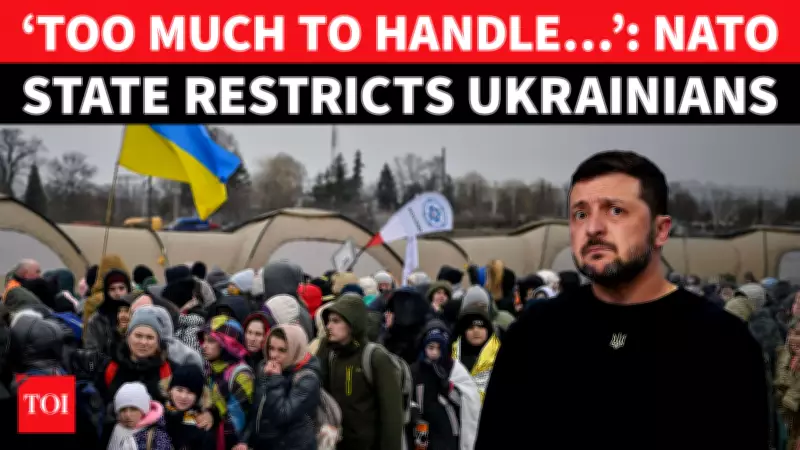
The Czech Republic has approved tougher restrictions on Ukrainian refugees, signaling a growing shift in Europe's approach toward those fleeing the war in Ukraine. The new measures tighten welfare access, residency rights, employment rules, and security checks for Ukrainians living under temporary protection status.
Details of the New Restrictions
According to reports, the Czech government has introduced stricter criteria for Ukrainians seeking continued protection. Welfare benefits will be limited to those who meet specific employment or integration benchmarks. Residency permits will be subject to more frequent reviews, and security screenings will be intensified. These changes come as Russia continues its military onslaught against Ukraine, including recent strikes on Kyiv.
Context of the Decision
The move reflects a broader trend across European nations reassessing their support for Ukrainian refugees. While the Czech Republic has been one of the most generous hosts per capita, concerns over social services and integration have prompted policymakers to tighten rules. The decision also coincides with renewed Russian attacks on Ukraine's power infrastructure, which have left millions without electricity.

Impact on Refugees
Ukrainian refugees in the Czech Republic will now face greater hurdles in accessing long-term stability. Many may be forced to return to Ukraine or seek refuge elsewhere. Humanitarian organizations have criticized the measures, arguing they undermine solidarity with a nation under attack. The Czech government, however, maintains that the changes are necessary to ensure sustainable support.
Broader European Trend
The Czech Republic's move follows similar actions by other NATO members, such as Poland and Hungary, which have also tightened refugee policies. As the war drags on, European countries are grappling with the economic and social costs of hosting millions of displaced Ukrainians. The European Union has urged member states to maintain a unified approach, but national pressures are driving divergent policies.
Meanwhile, Russian forces continue to target Ukraine's energy grid, with recent missile strikes causing widespread blackouts. President Volodymyr Zelensky has called for more air defense systems from Western allies to protect critical infrastructure. The combination of military pressure and shrinking refuge options poses a severe challenge for Ukrainian civilians.