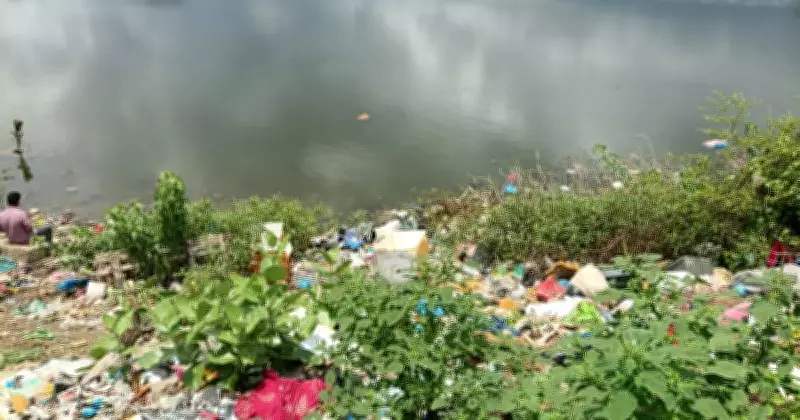
Bheeshma Lake in Karnataka's Gadag district is suffocating under mounds of garbage, despite prominent signboards warning against dumping waste. The irony is stark: heaps of refuse are visible right next to these signs, indicating that residents have largely ignored the threat of legal action. As a result, the lake's environment has deteriorated alarmingly, with foul odors, reduced water quality, and potential health hazards for nearby communities.
Waste Crisis at Bheeshma Lake
The lake, once a vital water source and a scenic spot, now resembles a dumping ground. Plastic bottles, household trash, and construction debris litter the banks and float in the water. The Gadag municipal authorities have installed signboards cautioning against littering and warning of penalties, but these measures have proven ineffective. Local residents express frustration over the lack of regular waste collection and the absence of strict enforcement of anti-littering laws.
Environmental and Health Impacts
The accumulating waste has led to several environmental problems. Decomposing organic matter releases methane, a potent greenhouse gas, while plastics and chemicals leach into the soil and water, contaminating the lake. This pollution harms aquatic life and poses risks to human health, including waterborne diseases and respiratory issues from burning trash. The once-pristine lake now emits a stench that travels to nearby neighborhoods, affecting the quality of life.

Environmental activists have called for immediate action, including removal of existing waste, installation of more bins, and regular clean-up drives. They also urge the municipal corporation to impose fines on violators and launch awareness campaigns to change public behavior.
Government and Community Response
The Gadag city municipal council has acknowledged the problem but cites limited resources and manpower. Officials say they are working on a long-term waste management plan that includes segregation at source, composting, and recycling. Meanwhile, some local groups have taken the initiative to clean the lake on weekends, but their efforts are dwarfed by the scale of the problem.
To address the crisis, experts recommend a multi-pronged approach: stricter enforcement of laws, community engagement, and investment in sustainable waste management infrastructure. Without such measures, Bheeshma Lake may become an ecological disaster zone, further straining the region's water resources and public health.