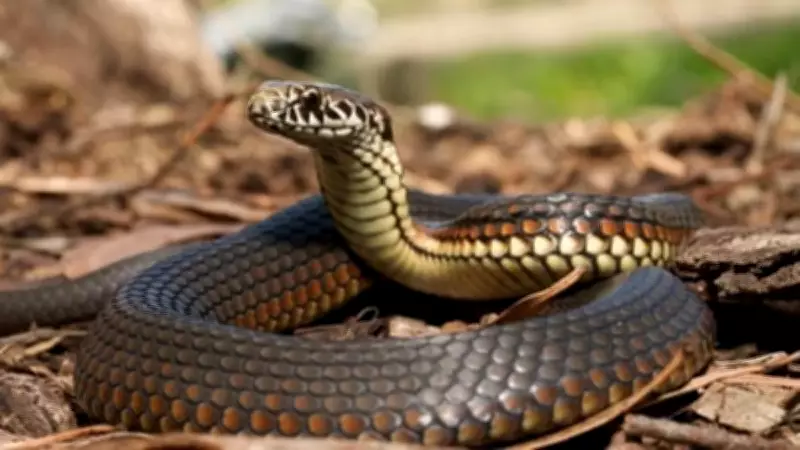
A Krait in the Kitchen: A Personal Encounter with Danger
It was a quiet evening when a sudden rustling sound from the kitchen caught my attention. Curiosity turned to shock as I discovered a slender, black snake coiled near the gas stove. Its distinctive white bands identified it as a common krait, one of India's most venomous snakes. The encounter was a stark reminder of the thin line between domestic safety and wildlife intrusion.
The Discovery
The krait, known for its neurotoxic venom, had likely entered through a small gap under the door. Its presence in a space meant for cooking and family gatherings was unnerving. I immediately retreated, ensuring no sudden movements that might provoke it. The snake seemed equally startled, its forked tongue flicking as it assessed the environment.
Response and Resolution
Calling a local snake rescuer was the first step. Within minutes, an expert arrived with a hook and a bag. The removal was swift but careful, with the rescuer explaining that kraits are nocturnal and often seek warm, dark places. The incident ended without harm, but it left a lasting impression about the importance of sealing entry points and staying vigilant.

This experience underscores the need for coexistence with wildlife, even in urban settings. Snakes like the krait play a vital role in controlling rodent populations. However, awareness and preparedness are crucial to avoid dangerous encounters. Simple steps like keeping doors closed, clearing clutter, and knowing emergency contacts can make a difference.