

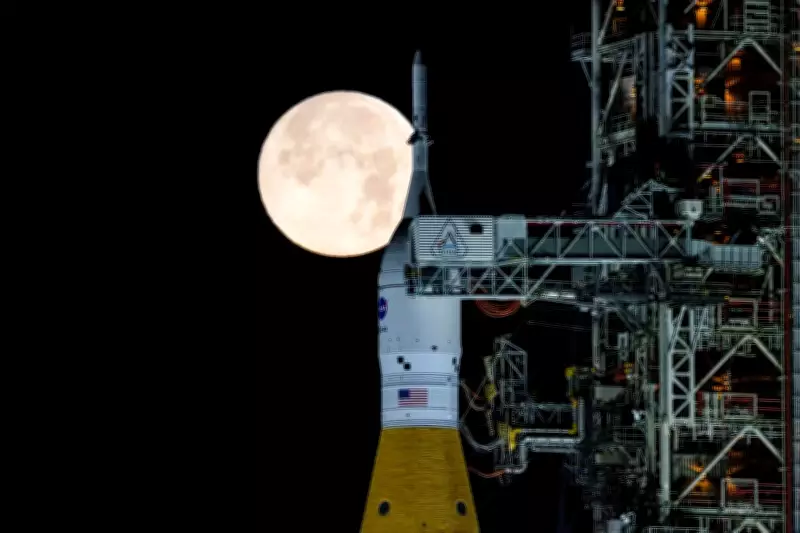
NASA's Artemis II Wet Dress Rehearsal Concludes After Technical Challenges
The wet dress rehearsal for NASA's ambitious Artemis II mission concluded in the early hours of Tuesday morning, marking a critical prelaunch test phase. During this comprehensive exercise, the Space Launch System (SLS) rocket tanks were successfully loaded with cryogenic propellant, a significant milestone achieved after teams were dispatched to the launch pad to secure the Orion spacecraft and safely drain the rocket.
Understanding the Wet Dress Rehearsal Process
A wet dress rehearsal serves as an essential prelaunch test designed to simulate the fueling procedures of the rocket while identifying potential issues that could emerge during the actual launch. Engineers meticulously monitor the systems, and if any problems arise, they attempt to resolve them immediately on the spot. NASA initiated an approximately 49-hour countdown on January 31, setting the stage for this rigorous evaluation.
Throughout the operation, NASA engineers closely observed how Florida's cold weather conditions impacted the various systems. They maintained established procedures to ensure the safety of all hardware components, demonstrating the agency's commitment to meticulous preparation.

Technical Issues and Termination of the Rehearsal
The Artemis II wet dress rehearsal countdown was ultimately terminated at T-5 minutes and 15 seconds. This decision came after teams detected a liquid hydrogen leak at the tail service mast umbilical interface. Concerns had already been raised earlier in the countdown when elevated hydrogen levels were observed at the same location, indicating a persistent issue as the test progressed.
The leak emerged during the tanking phase, prompting engineers to dedicate several hours to address it. This extensive troubleshooting effort pushed the timeline out of alignment. At various points, the flow of liquid hydrogen into the core stage was paused, the hardware was allowed to warm, and adjustments were made to the propellant flow in an attempt to settle the seals. Despite these efforts, the issue was never fully resolved.
Additional Challenges During Test Operations
Several other problems surfaced during the rehearsal, highlighting the complexities of such missions:
- A valve associated with the pressurization of the Orion crew module hatch, which had been recently replaced, required retorquing to ensure proper function.
- Closeout tasks took longer than initially anticipated, delaying certain aspects of the operation.
- Cold temperatures adversely affected multiple cameras and pieces of ground equipment, though these issues did not halt the rehearsal. On an actual launch day, such problems would likely draw more significant attention.
Audio systems have also been under review in recent weeks, with engineers tracking intermittent communication dropouts between ground teams. Several of these dropouts recurred during the test, adding to the operational challenges.
During closeout operations, teams followed updated procedures inside the White Room. Instead of using gaseous nitrogen, breathing air was employed to purge cavities in Orion's service module. This adjustment is intended to create safer conditions for personnel assisting the crew and sealing the spacecraft, representing a small but important change tested alongside the rehearsal.
Review Underway as March Launch Window Remains Possible
March continues to be a potential launch window for Artemis II, although no specific date has been finalized. Teams are expected to spend the coming period thoroughly reviewing data from the test, addressing each identified issue as necessary, and returning to additional testing before committing to a target launch date.
NASA has emphasized that crew safety remains the guiding principle throughout this process. The Artemis II astronauts—Reid Wiseman, Victor Glover, and Christina Koch from NASA, along with Canadian Space Agency astronaut Jeremy Hansen—are anticipated to return home safely at the mission's conclusion, with planning focused squarely on that outcome.

Agency leadership has begun to speak publicly about the test. Following a statement released on Tuesday by NASA Administrator Jared Isaacman, officials are scheduled to discuss early results from the wet dress rehearsal during a conference later in the day. The briefing is set for 1 p.m. ET (10:30 p.m. IST), a slight shift from the original plan to begin at noon, and will be streamed live on NASA's YouTube channel, providing insights into the test's findings and next steps.





