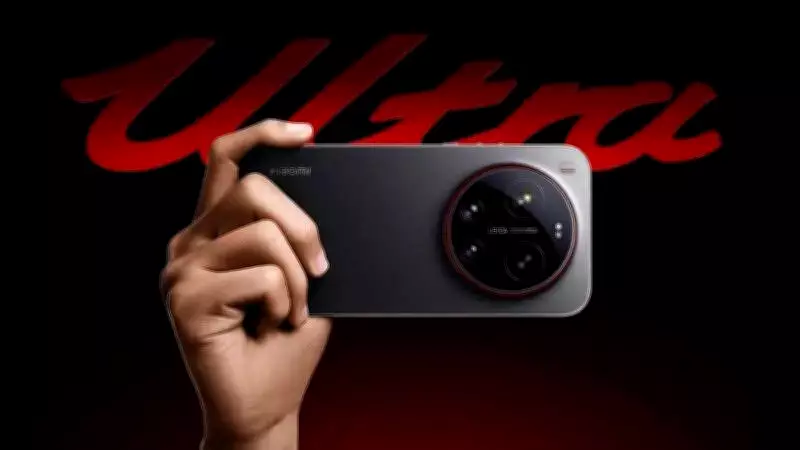
Xiaomi 17 Ultra: A New Era in Smartphone Photography
The evolution of smartphone cameras has followed a predictable trajectory, marked by incremental upgrades in sensor size, megapixel counts, and zoom capabilities. For years, manufacturers have promised to bridge the gap with dedicated cameras, yet each generation fell short, leaving users with capable but often overly processed images. However, a significant shift has occurred over the past two years, culminating in the launch of the Xiaomi 17 Ultra. This flagship device challenges the very definition of a smartphone camera, prompting a fundamental question: are we still using phones with cameras, or have we transitioned to cameras that also function as phones?
The Journey to Innovation: From Hardware to Holistic Design
Gautam Batra, associate director of product marketing at Xiaomi India, reflects on the company's deliberate path to this point. Through multiple generations of Ultra devices, Xiaomi pushed boundaries with large sensors, multi-camera systems, and advanced zoom technologies. By the time the Xiaomi 15 Ultra launched in 2025, the brand felt it had created the best camera phone available. Yet, this achievement led to a critical introspection: what comes next? Batra notes that simply enlarging sensors or adding more hardware risks compromising the phone's core functionality. This moment of reflection sparked the development of LOFIC, a groundbreaking imaging approach co-engineered with Leica.
LOFIC Technology: Resolving the Smartphone Camera Dilemma
Traditionally, improving smartphone photography involved a trade-off: larger sensors and optics that increased device thickness and impacted ergonomics, or reliance on multi-frame processing and AI enhancements that often resulted in unnatural images with motion artifacts and a synthetic appearance. Sandeep Sarma, associate director for marketing and PR at Xiaomi India, explains the user-centric challenges, such as motion blur in moving subjects and extreme lighting conditions. LOFIC represents Xiaomi's solution to these issues, working within a one-inch-class sensor footprint while reimagining light capture and processing.

This technology reduces dependence on multi-frame stacking, minimizes motion artifacts, and preserves dynamic range, delivering images that feel closer to those from traditional cameras. Sarma emphasizes that LOFIC offers a third option, maintaining smartphone hardware constraints while unlocking superior performance for more natural photography without aggressive processing.
Deep Collaboration with Leica: Beyond Branding
Xiaomi insists that its partnership with Leica is not superficial but a genuine co-engineering effort. The collaboration extends from lens design and optical calibration to color rendering philosophies rooted in Leica's heritage. A joint optical institute has been established, ensuring decisions require mutual approval from both companies. Batra highlights that Leica's influence goes beyond optics, incorporating tonality and emotional rendering from cinema and classic photography into the smartphone context. This deep integration allows the Xiaomi 17 Ultra to move beyond incremental improvements, addressing the persistent "camera phone look" characterized by heavy processing and hyperreal textures.
Redefining User Experience and Industry Standards
The Xiaomi 17 Ultra aims to shift the conversation from specifications to intent and experience. Batra uses a metaphor to illustrate its position: while current smartphone cameras operate within Earth's atmosphere with inherent constraints, dedicated systems like DSLRs exist in orbit. The 17 Ultra begins to break through this ceiling, moving closer to that space without aiming to replace high-end cameras. For users, this translates to a device that changes daily photography habits. Sarma, a photography enthusiast, notes how the smartphone now condenses the need for multiple DSLRs and lenses, becoming his primary camera. Batra, as an everyday user, values the device for capturing precious memories with enhanced quality.

Ultimately, the Xiaomi 17 Ultra represents a subtle but significant transition in the industry. It redefines user expectations, positioning the camera as the defining center of the phone rather than just a component. This shift suggests a tipping point where the distinction between smartphones and cameras may soon be limited to form factor alone, driven by innovation and partnerships like that with Leica.