If you are considering a new smartphone purchase in the near future, you might need to adjust your budget upwards. A significant global shortage of memory chips, primarily fueled by the explosive demand from the artificial intelligence (AI) sector, is driving up costs for smartphone manufacturers, who are now beginning to pass these increases on to consumers.
The Price Hike Has Already Begun
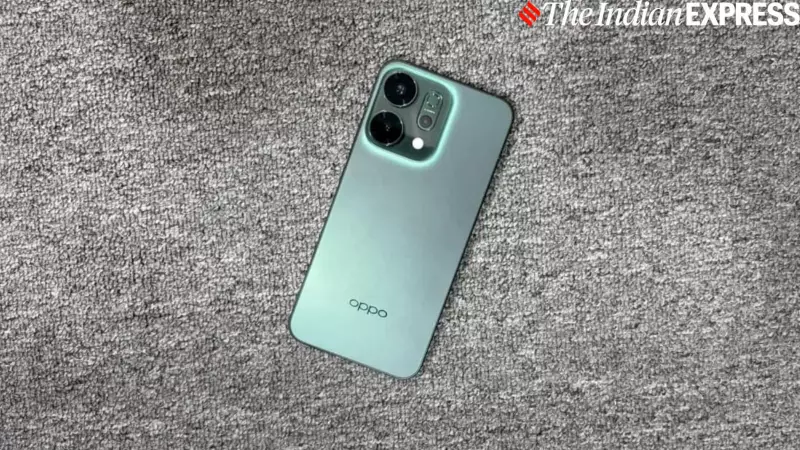
Several prominent smartphone brands have already initiated price adjustments. For instance, Oppo has increased the price of its mid-range Reno 14 model. Launched earlier this year with 8GB of RAM at a starting price of Rs 37,999, the device is now listed on Amazon for Rs 39,999.
Similarly, Samsung's recently launched Galaxy A17 8GB variant, which was initially available for Rs 18,999, is now shown as out of stock on the company's official website. Currently, Samsung is selling the 6GB RAM version of the same phone for Rs 19,499. While rumors suggested Apple might raise prices for the upcoming iPhone 17 series, industry observers note the tech giant may have secured its component supply before the crunch hit, potentially delaying any immediate price action.

Why is AI Causing a Smartphone RAM Crisis?
The root of the problem lies in a massive shift in manufacturing focus. Tech behemoths like Google, OpenAI, and Microsoft are investing billions to lease computing power for their AI models and chatbots. This requires enormous quantities of high-performance memory, specifically High Bandwidth Memory (HBM), which offers far higher profit margins for chipmakers compared to consumer-grade RAM.
This shift was starkly highlighted earlier this month when Micron, the world's third-largest RAM manufacturer after Samsung and SK Hynix, announced it was shutting down its consumer-centric brand. The company stated the decision was made to concentrate resources on supplying AI companies, which purchase memory and storage in bulk.
The result is a severely constrained market. Major memory producers like Samsung and SK Hynix are struggling to meet the dual demands of data centers and consumer electronics. Consequently, RAM prices have more than doubled in just the last few months, and experts warn this supply tightness could persist for several years.
What This Means for Indian Smartphone Buyers
The immediate impact will be felt across all price segments. Industry executives have been vocal about the impending cost pressures. Himanshu Tandon, Vice President of Business at CMF by Nothing, predicted an "immediate price hike in each segment for all brands on new production." He estimates flagship phones could become 7 to 10 percent more expensive, while mid-range and budget devices may see increases of 6-8 percent and 4-6 percent, respectively.
Looking further ahead, Francis Wong, head of product marketing at Realme, indicated that "the price will only go up and up from 2026 onwards." Another potential side effect is a reduction in baseline specifications; next year, we may see more mid-range and budget phones launching with just 8GB of RAM as a standard.
For consumers, the current volatile market presents a dilemma. While future prices are expected to climb, the best advice for those needing a phone now might be to make the purchase sooner rather than later. Waiting could mean paying a premium in a market where memory costs have reached unprecedented levels, with no clear sign of relief on the horizon.